Date: 2025.10.23 Click: 156
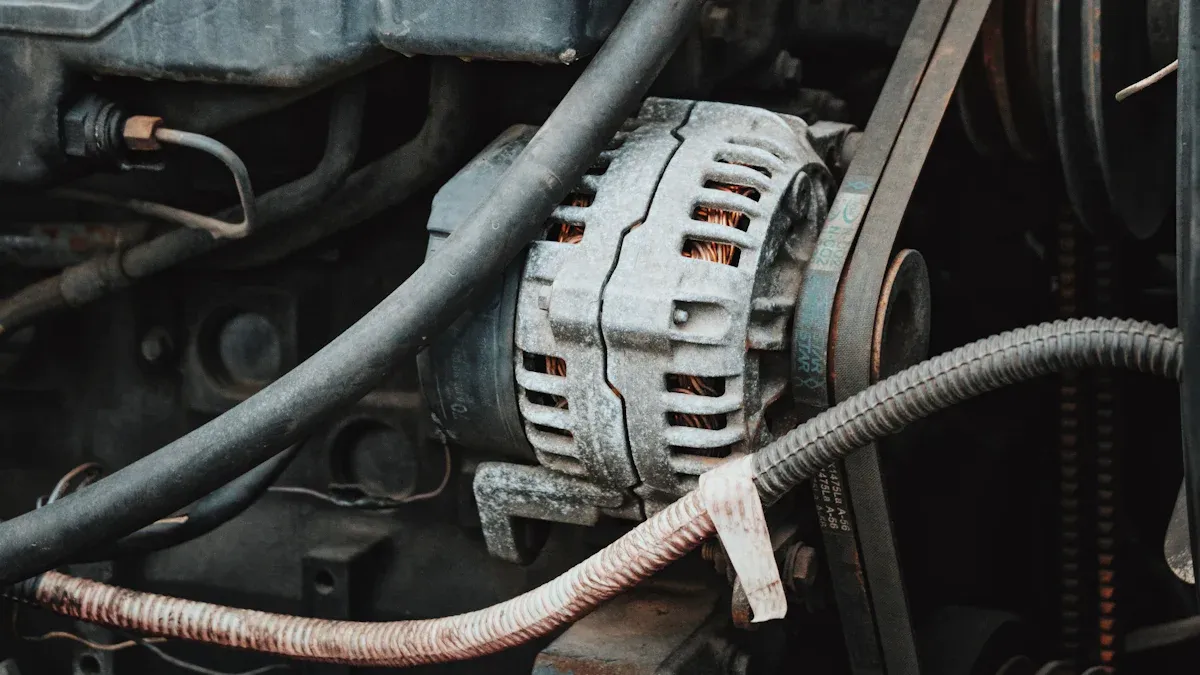
You need to pick a belt tensioner that matches your car exactly. This ensures your serpentine belt stays tight and does not slip. A correct fit prevents early wear, helps your engine run well, and can even improve fuel efficiency. Choosing the right part keeps your vehicle reliable.
Key Takeaways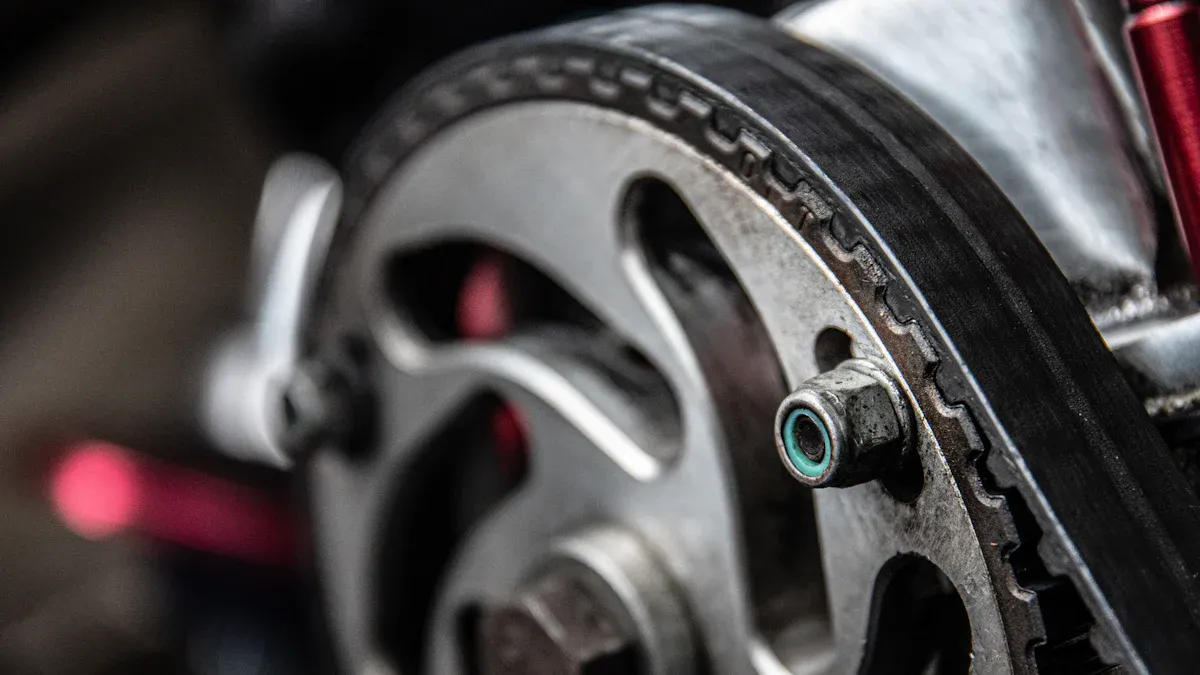
You rely on your car’s drive belts to power important parts like the alternator, air conditioning, and power steering. The belt tensioner keeps these drive belts tight and stable. When you start your engine, the tensioner makes sure the drive belts do not slip or become loose. This helps the engine timing belts stay in sync with the rest of the system. The belt tensioner also keeps the engine timing belts properly aligned, so all the engine accessories work together smoothly.
Tip: If the tensioner fails, your drive belts can slip or break. This can cause the alternator or water pump to stop working, which may lead to engine overheating or loss of power.
A working belt tensioner is essential for your car’s performance. If the drive belts lose tension, you might hear squeaking or clicking noises. You could also see fraying or damage on the drive belts. When the tensioner does not hold the right pressure, engine timing belts can lose their grip. This can cause the engine to run poorly or even break down.
You protect your car’s engine and accessories by making sure the belt tensioner and engine timing belts work as they should.
Identify Vehicle DetailsYou need to know your car’s make, model, and year before you choose a belt tensioner. These details help you find the right part for your vehicle. Each car uses different drive belts, and the tensioner must fit your car’s system. If you use the wrong tensioner, your drive belts may not work well. You could see problems like slipping or noise. Always check these details first.
When you know your car’s make, model, and year, you can match the drive belts and tensioner to your engine. This step helps you avoid mistakes and keeps your drive belts working as they should. You protect your engine and save money by getting the right parts.
You can find your car’s details in several places. The most common spot is the vehicle identification label. You often see this label on the driver’s side door frame or inside the glove box. Your owner’s manual also lists the make, model, and year. If you need more details, check your vehicle registration or insurance card.
Check Owner’s Manual
You should always start by reading your owner’s manual before buying new parts. The manual lists the exact parts your car needs. It tells you which belt tensioners fit your engine. You will also find details about the right drive belts and engine timing belts. The manual often includes part numbers and torque specifications. This information helps you avoid mistakes and keeps your car running well.
Most modern vehicles use automatic drive belt tensioners. Over 70% of new cars come with these self-adjusting systems. Car makers prefer automatic drive belt tensioners because they keep the belt tight and help the belt last longer. If you drive an older car, you might have a manual tensioner. Always check your owner’s manual or ask a mechanic to find out which type fits your car. Using the correct drive belt tensioners protects your engine and keeps your car running smoothly.
Inspect Drive Belts and Tensioner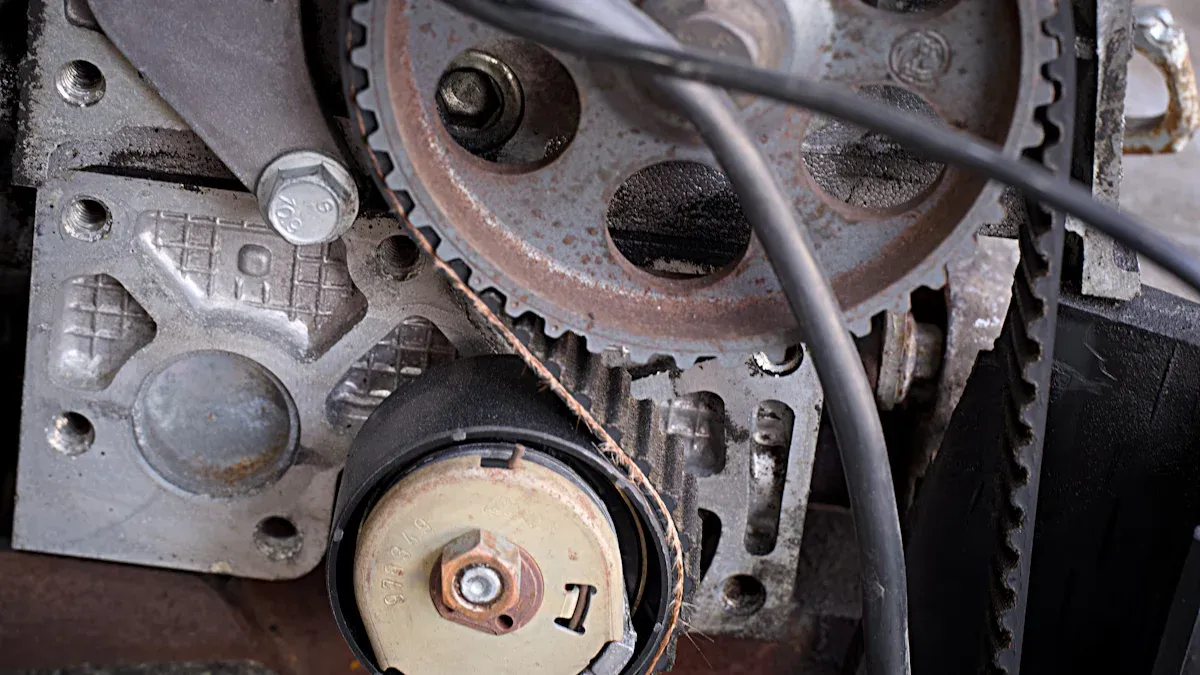
FAQ
You should replace it if you hear squealing, see cracks on the belt, or notice the pulley feels rough when you spin it by hand.
You should not drive with a bad belt tensioner. It can cause the belt to slip or break, which may lead to engine damage or loss of power.
No, different cars use different types. Always check your owner’s manual to find the correct belt tensioner for your vehicle.
Please leave your requirements and contact information, and we will send you the quotation information as soon as possible.