Date: 2025.10.27 Click: 148
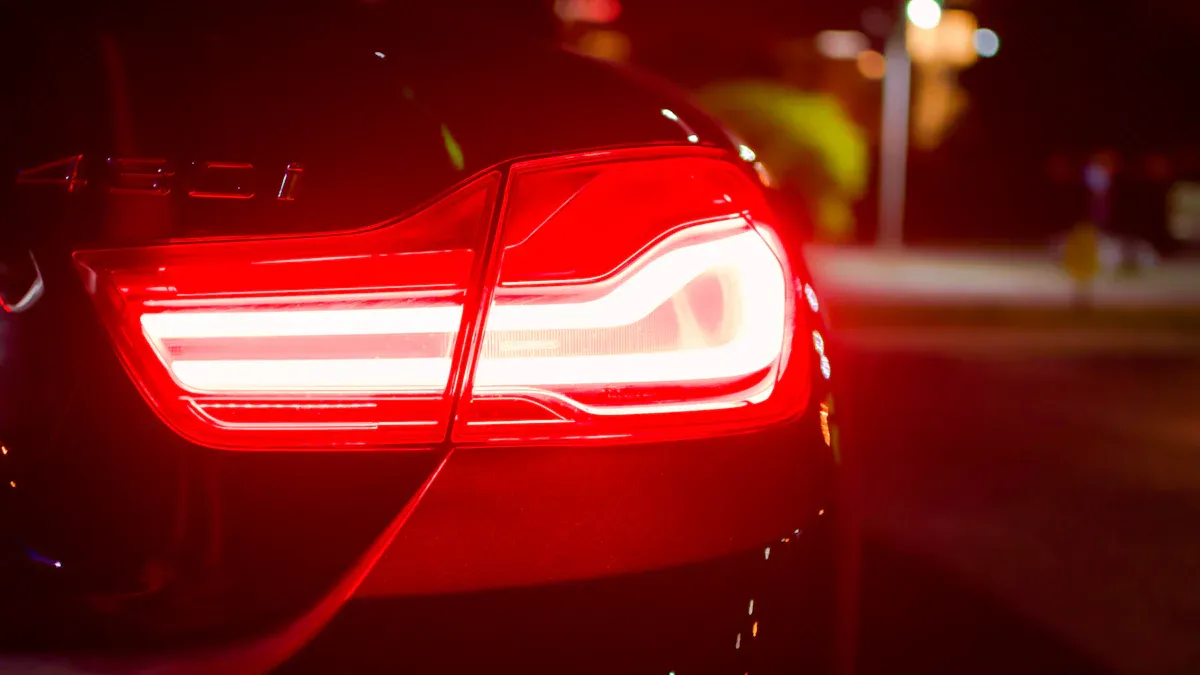
You want your car to stand out and stay safe on the road. Brake lights tell drivers behind you when you stop, while tail lights help others see your car at night. Upgrading to a car brake led taillight gives you brighter light and faster response.
Key TakeawaysTip: You can install new LED lights with basic tools at home.
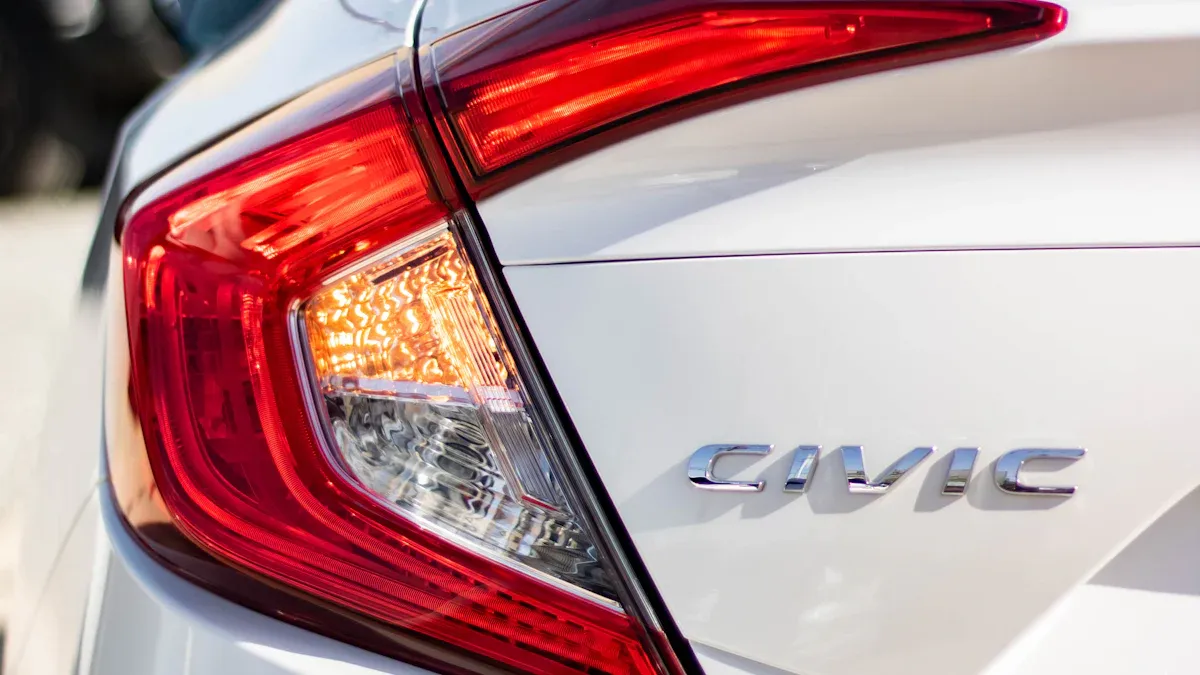
You might think brake lights and tail lights do the same job, but they have different roles on your car. The table below shows how they compare in function and design:
| Aspect | Tail Lights | Brake Lights |
|---|---|---|
| Function of Lights | Making the vehicle visible to other road users | Signals other drivers that you are slowing down or stopping |
| Brightness | Clear and subtle brightness | Higher brightness |
| Activation Mechanism | Activates when headlights are turned on | Activates when you press the brake pedal |
Tail lights turn on when you switch on your headlights. They help other drivers see your car in the dark or during bad weather. Brake lights, on the other hand, light up only when you press the brake pedal. They shine much brighter to warn drivers behind you that you are slowing down or stopping.
Note: Both types of lights keep you safe, but they work in different ways and at different times.
Tail lights give your car a steady glow at night. They make sure your vehicle stays visible from behind. This helps prevent accidents, especially in fog or rain. Brake lights play a bigger role in safety. When you hit the brakes, these lights flash brighter than tail lights. This strong light grabs attention fast. Drivers behind you know right away that you are stopping or slowing down.
You need both types of lights to drive safely. Tail lights help others see you. Brake lights tell others when you stop. If either light fails, you risk getting into an accident or getting a ticket. Always check that both lights work before you drive.
Why Upgrade to LED Tail LightsIt is important for other drivers to see your car. This matters most at night or when the weather is bad. LED tail lights are much brighter than old bulbs. They light up quickly when you press the brake. This helps drivers behind you react faster. It lowers the chance of getting hit from behind. Everyone on the road stays safer.
LED lights work well in dark or foggy places. Their strong light shines through rain and fog. Your brake lights send a clear signal every time. This makes your car easy to see. It helps stop confusion on busy roads.
Tip: LED tail lights make your car safer. You protect yourself, your friends, and other people on the road.
Here is a table that shows why led tail lights are good:
| Benefit | Description |
|---|---|
| Safety | LED tail lights are brighter and turn on faster. This helps drivers, people walking, and bikers see your car better. |
| Energy Efficiency | LEDs use less power than old bulbs. This helps save gas and makes your car’s electrical system work better. |
| Longevity | LEDs last a very long time. You do not need to change them often, so you save money and time. |
| Durability | LEDs are tough and do not break easily. This means less time fixing lights, which is good for many cars. |
| Aesthetics | You can pick cool designs for your lights. This makes your car look special and stand out. |
| Cost-Effectiveness | LEDs cost more at first, but you save money later. You spend less on energy and repairs over time. |
LED tail lights do more than just look nice. They help you see better, keep you safe, and make your car worth more.
LED lights use less energy than regular bulbs. You save power every time you drive. This helps your car work better and can save gas. LED tail lights last for many years.
Look at this table to see how long different bulbs last and how much energy they use:
| Type of Bulb | Lifespan (hours) | Energy Consumption (compared to Incandescent) |
|---|---|---|
| LED Tail Lights | 25,000 - 50,000 | 75% less electricity |
| Traditional Bulbs | 1,000 - 2,000 | N/A |
LED tail lights last much longer than old bulbs. Some can work for up to 200,000 hours. You do not have to change them often. This saves you trips to the store and worry about broken lights.
Note: If your lights last longer, you can focus on driving. You do not have to think about fixing them as much.
LED tail lights give you better light, more safety, and save you money. They are a smart choice for your car and your wallet.
Choosing Car Brake LED TaillightYou want your new car brake led taillight to fit your vehicle perfectly. Not every light works with every car. You need to check a few things before you buy.
Tip: Always double-check the product details or ask the seller if you are unsure about compatibility.
When you pick a car brake led taillight, you want the best mix of safety, style, and durability. Here are the most important features to look for:
Note: Picking the right features helps your car taillights work better and last longer.
You must follow the law when you install new brake lights. Each country has rules about how bright your lights can be and what color they should show. If you do not follow these rules, you could get a ticket or fail a safety check. The table below shows the main legal requirements in the United States and Europe:
| Requirement | Specification |
|---|---|
| Color | Must emit red light (CCT 620–660 nm wavelength) |
| Brightness | Brake lights: 80–180 candelas; Taillights: 5–30 candelas |
| Response Time | LEDs must have a lighting time of ~100ms |
| Certification | Must have DOT/ECE marks for compliance |
You need to make sure your car brake led taillight meets these standards. Always look for DOT or ECE marks on the packaging. These marks show that the led tail lights are safe and legal to use on the road.
Understanding Tail Light AssemblyAlert: Using the wrong color or brightness can make your car unsafe and illegal to drive.
Before you put in new lights, you should know what parts are in your car’s tail light assembly. Each part has a job to help your lights work well and stay safe. Here is a table that lists the main parts and what they do:
| Component | Function |
|---|---|
| Tail light housing | Holds the wiring, bulb, and lens together, making sure all parts stay in place. |
| Tail lamp lens | Keeps the bulb safe from bumps, water, and dirt. It also copies the bulb’s color. |
| Tail light lens assembly | Puts brake lights, tail lights, and reverse lights in one unit. |
| Tail light bulb socket | Connects the bulb to power, which is needed for the lights to work. |
| Wiring harness | Links bulbs to power, so the lights work with your car’s system. |
| Reflectors | Help other drivers see you by bouncing back light, especially when it’s dark or foggy. |
The wiring harness links the bulbs to your car’s power. If it breaks, your lights might not turn on. Reflectors help cars behind you see your car at night or in fog. They bounce light back to make your car easier to see.
Tip: Always look at the wiring harness and reflectors when you put in new LED tail lights. This can help you stop problems before they start.
There are different kinds of tail lights you can pick for your car. Each kind has good points. The table below shows the main types and their benefits:
| Type | Advantages |
|---|---|
| Conventional | Cheap, simple, give steady light, and easy to swap out. |
| LED | Very bright, save energy, last a long time, easy to put in, and look modern. |
| Halogen | Brighter and better color than old bulbs, easy to change, and you can find them almost anywhere. |
LED tail lights are special because they shine brighter and last longer than other kinds. They also use less energy and make your car look newer. Conventional lights cost less, but you might have to change them more often. Halogen lights are brighter and show colors better than old bulbs, but they do not last as long as LEDs.
Install LED Tail LightsNote: If you want your car to be safe, look cool, and save money, LED tail lights are a great pick.
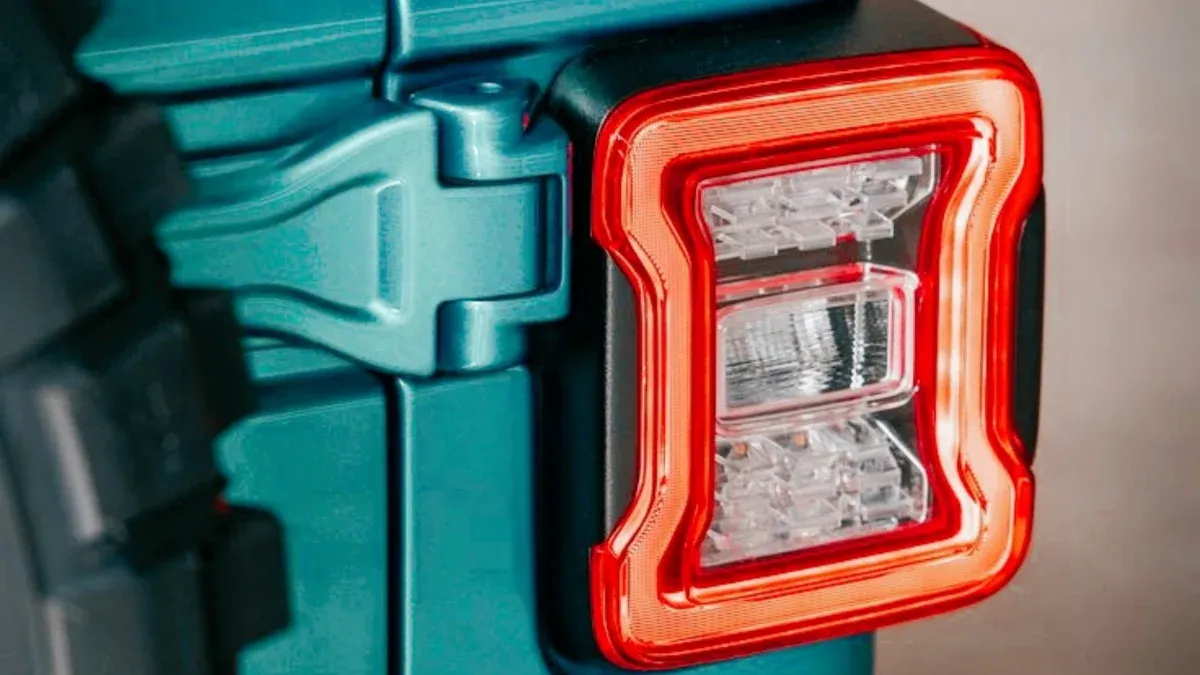
Before you start, gather all the tools and materials you need for tail light installation. This helps you work faster and avoid mistakes. You should have:
Set up your workspace in a safe, dry area. Make sure you have good lighting and enough room to move around your car. Park your car on a flat, level surface and engage the parking brake. Turn off the engine to keep your car from moving. Check that your new LED tail lights match your car’s make and model. This step prevents problems during installation.
Tip: Lay out all your tools and parts before you begin. This makes the process smoother and helps you avoid losing small pieces.
You need to remove the old brake lights before you can install LED tail lights. Start by opening your trunk or tailgate to reach the tail light assembly. Use the correct screwdriver to remove any screws or bolts holding the tail light in place. Some cars use 10mm bolts, so check your tool kit.
Carefully pull the old tail light assembly away from the car. Watch out for the wiring harness connected to the back. Gently disconnect the wiring harness by pressing the release tab and pulling the connector apart. If your car has spot welds, use a drill bit or spot weld cutter to remove them without damaging the metal. Good lighting helps you see all the connections and avoid mistakes.
Safety Alert: Never yank on the wiring. Pulling too hard can damage the wiring or connectors, which may cause problems with your new lights.
Now you are ready for the main part of tail light installation. Take your new LED tail lights and test fit them to make sure they match the shape and size of your car’s tail light opening. Connect the new LED tail lights to the factory wiring harness. Match the wiring colors as shown in your kit’s instructions. If your kit includes wiring ballasts, connect them as directed.
Follow these steps for installing LED tail lights:
Note: Always double-check each wiring connection. Loose or mismatched wiring can cause your brake lights to flicker or not work at all.
After you finish tail light installation, you need to test your work. Turn on your car and check the new LED tail lights. Make sure the running lights, brake lights, and turn signals all work. Walk around your car to see if the lights are bright and even. If any lights do not work, check the wiring connections and make sure the bulbs are seated correctly.
If you notice any problems, use this table to help you fix them:
| Step | Action |
|---|---|
| 1 | Check all wiring connections to make sure the circuits are complete. |
| 2 | Undo any changes to the wiring if you made a mistake. |
| 3 | Inspect the fuses, especially the one labeled 'signals.' |
Tip: Always test your new lights before putting any panels or covers back on. This saves time if you need to fix something.
Common mistakes during tail light installation include forgetting to check compatibility, skipping the wiring check, or not tightening the bolts. Always secure all panels and do a final walk-around to check the alignment and brightness of your new LED tail lights. If you see flickering lights or moisture inside the lens, you may need to redo the wiring or check the seals.
By following these steps, you can install LED tail lights safely and enjoy brighter, longer-lasting brake lights on your car.
Troubleshooting Brake LightsYou may notice your new LED brake lights flicker or stop working. This problem can make your car less safe. Several common issues can cause this:
You should check your car’s wiring for any signs of damage. Make sure all connections are tight. If you see flickering, inspect the voltage regulator. Replacing a faulty part can solve the problem.
Tip: Always turn off your car before checking any wiring to stay safe.
Modern cars often show error messages when you install new LED brake lights. These messages can be confusing, but you can fix them with a few steps:
You can clear most error messages by following these steps. If the problem continues, check your car’s manual or ask a professional for help.
Moisture inside your LED taillight assembly can cause dim lights or even damage. You can fix this problem with a few simple steps:
Maintenance TipsNote: Keeping your taillights dry helps them last longer and work better.
You want your led tail lights to stay bright and last a long time. Regular cleaning and care help you get the most out of your lights. Follow these steps to keep your tail lights in top shape:

Tip: Clean your tail lights every few weeks. This simple habit helps you avoid bigger problems later.
Please leave your requirements and contact information, and we will send you the quotation information as soon as possible.