Date: 2026.04.17 Click: 9
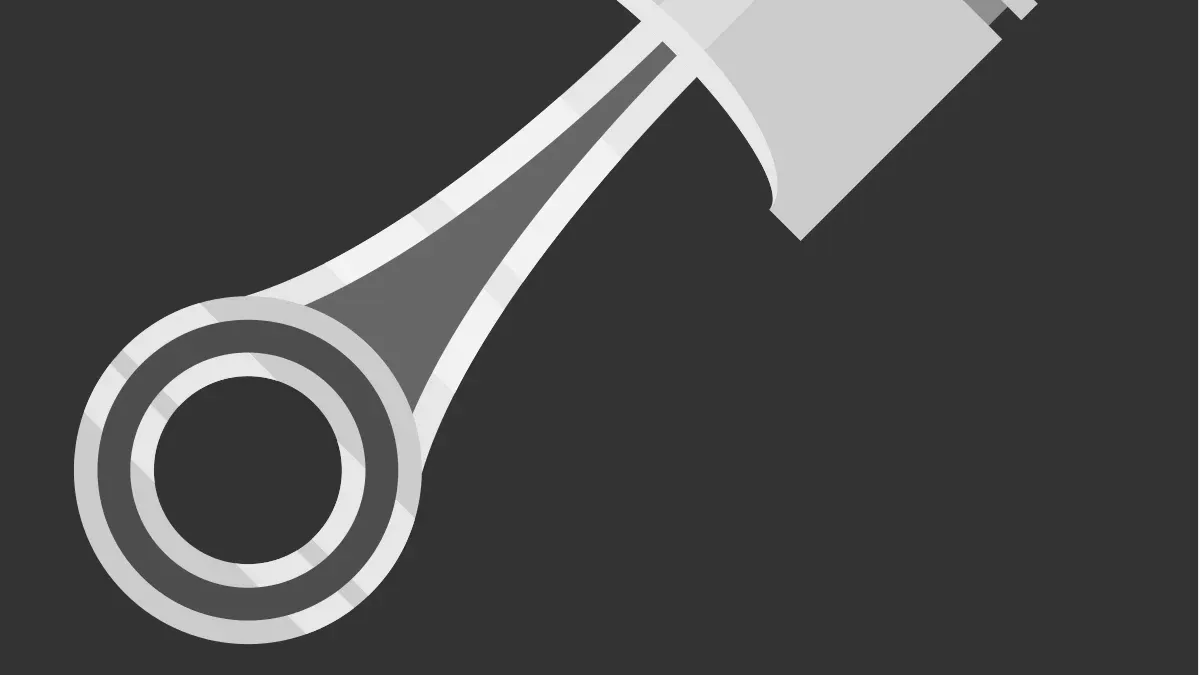
You find a piston inside almost every car engine. This small, round part moves up and down to help make your car go. When the piston works, it turns fuel into motion. You need the piston for the engine to produce power. Without it, your vehicle would not move.
Key TakeawaysThe piston is very important because it changes fuel into movement. This makes your car go. Pistons work in a cycle with four steps: intake, compression, combustion, and exhaust. These steps help the engine run well. Good materials and coatings for pistons can make the engine work better and last longer. Checking and taking care of pistons often can stop problems and make your car stronger. If you know how pistons work, you can explain engines easily. You can compare it to how a bicycle pump works.
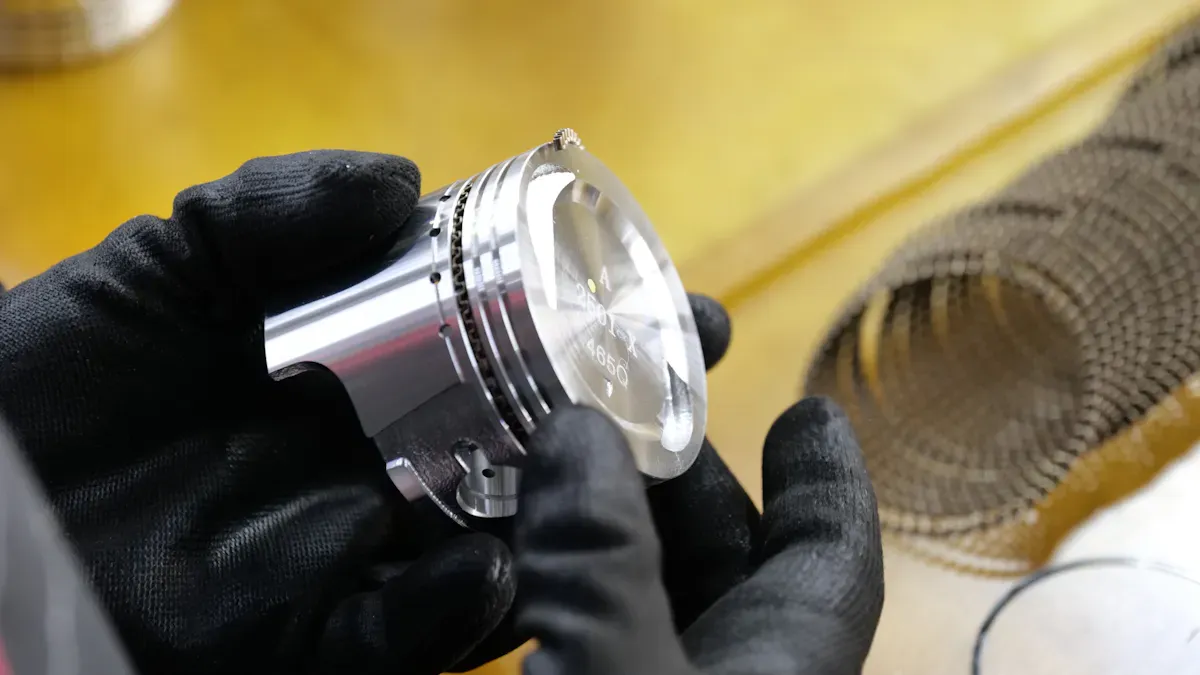
A piston is like the heart of your engine. It moves up and down inside a tube called a cylinder. When you start your car, the piston moves very fast. It pushes air and fuel together. Then, it helps make a small explosion. This explosion gives your car power to move. The piston turns fuel into energy. If you did not have a piston, your engine would not work.
The piston is connected to other parts, such as the crankshaft. When the piston moves, it makes the crankshaft spin. This changes the up-and-down movement into spinning movement. You notice this when you press the gas pedal and your car goes faster.
Most pistons are short and round, like a cylinder. They fit tightly inside the engine’s cylinder. This shape lets the piston move up and down easily. The top of the piston can be flat or shaped in other ways. This depends on how the engine is made.
Pistons are made from strong metals. Aluminum is used a lot because it is light and can handle heat. Some pistons have special coatings. These coatings help the piston last longer and lower friction. For example, new engines use advanced coatings to protect the piston and the cylinder wall. Here is a table that shows some common coating types and what they do:
|
Coating Technology |
Benefits |
Applications |
|---|---|---|
|
Ferroprint |
Stops wear, keeps oil better |
Modern Porsche engines (e.g., 991.2 911, 718 Boxster) |
|
PTWA |
Thin, tough coating, less friction |
Porsche flat-six engines |
|
APS |
Very tough, helps oil stick |
Porsche V6 and V8 engines, newer Cayenne, Macan, Audi RS engines |
These coatings help your engine work well and last longer. If you take care of your engine, the piston can work for many years.
Piston Operation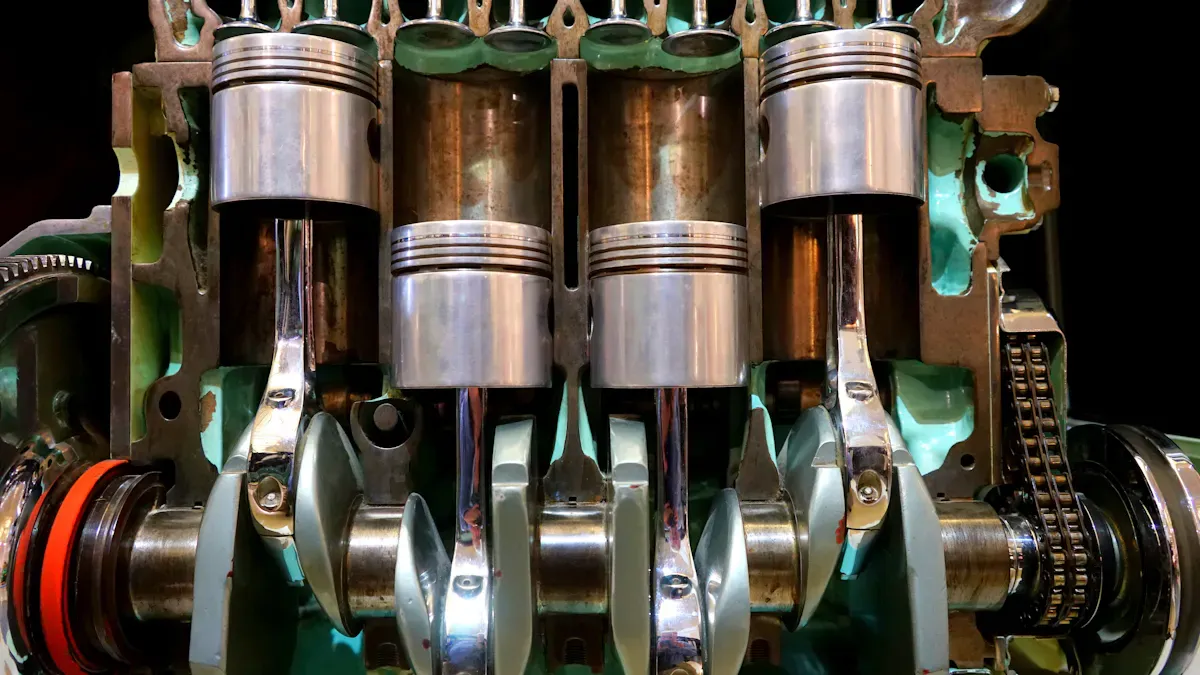
You can picture the piston as a shuttle moving up and down inside the engine’s cylinder. This movement happens in a very precise way. When the piston reaches the highest point in the cylinder, you call this Top Dead Center (TDC). At TDC, the piston gets ready to start a new cycle. When the piston moves down, it creates space for air and fuel to enter the cylinder. This step is called the intake stroke.
Next, the piston moves up again. This upward movement squeezes the air and fuel together. You call this step compression. Compression is important because it packs the air and fuel tightly. When the mixture is compressed, it can explode with more force during combustion. The piston repeats this up-and-down motion thousands of times every minute.
Note: The piston does not work alone. It moves in sync with other engine parts. The crankshaft turns as the piston moves. The camshaft also spins at the right speed. The camshaft uses a timing belt or chain to stay in step with the crankshaft. Its lobes push the valves open and closed at just the right moments. This timing lets air in and exhaust out at the perfect time for each cycle.
You might wonder how the piston turns fuel into motion. Here is how the piston works: After compression, a spark lights the air and fuel mixture. This causes combustion, which is a small explosion inside the cylinder. The force from combustion pushes the piston down with great power. This downward motion is what creates energy in the engine.
The piston connects to the crankshaft with a rod. As the piston moves down, it pushes the crankshaft. The crankshaft turns this up-and-down motion into spinning motion. This spinning motion is what makes your car’s wheels turn. You feel this as torque, which is the force that moves your car forward.
The piston repeats four main steps in each cycle:
Intake: The piston moves down, pulling in air and fuel.
Compression: The piston moves up, squeezing the mixture.
Combustion: The piston gets pushed down by the explosion.
Exhaust: The piston moves up again, pushing out burned gases.
Each step depends on the piston’s precise movement. Compression happens every time the piston moves up before combustion. Without strong compression, the engine cannot make enough power. The piston’s motion must stay in perfect rhythm with the crankshaft and camshaft. This keeps the engine running smoothly and efficiently.
Tip: If the piston does not move correctly, you lose compression. This means less power and poor engine performance. Always keep your engine parts in good shape to help the piston do its job.
The piston’s job is to change the energy from burning fuel into useful motion. You see the result every time you press the gas pedal and your car speeds up.
Piston ImportanceYou rely on the piston every time you start your engine. The piston takes the force from combustion and turns it into movement. This movement creates the power that pushes your car forward. If you want strong acceleration, you need a piston that works well. High-performance pistons give you more speed and better control. These pistons handle the power of combustion without breaking or wearing out quickly.
The piston also affects how smooth your engine feels. When the piston moves up and down in a steady rhythm, your engine runs quietly and efficiently. Good compression rings help seal the space between the piston and the cylinder wall. This seal keeps the pressure from combustion inside the cylinder. You get better performance and more power when the seal works well.
You can find high-performance pistons in sports cars and racing engines. These pistons use special materials and designs. They help you get the most out of every drop of fuel. If you want top performance, you need a piston that can handle high speeds and temperatures.
Tip: Check your engine’s performance by listening for smooth sounds and feeling for strong acceleration. If you notice problems, the piston might need attention.
Not all the energy from combustion turns into motion. Some energy gets lost because of friction. The piston skirt slides against the cylinder wall as the piston moves. This contact creates heat and slows down the piston. Compression rings also rub against the cylinder, which adds more friction.
You lose some performance when friction increases. The engine works harder, but you get less power. If the piston skirt or compression rings wear out, you might hear knocking sounds or feel weak acceleration. In the worst case, the piston can fail. When this happens, the engine stops working, and you need major repairs.
You can reduce energy loss by keeping your engine clean and using good oil. Regular checks help you spot problems early. If you want your engine to last, pay attention to the piston and its parts.
Piston TypesNote: The piston is small, but it has a big job. It controls the power, performance, and energy use of your engine.
Engines can have different types of pistons. Each type has its own shape and job. The way a piston is made changes how the engine works and how much power it makes.
Flat-top pistons have a flat top. You see these in many cars and trucks. This shape helps mix air and fuel well. Flat-top pistons give good power and save fuel. They also make tuning the engine easier. If you want a strong engine for daily use, flat-top pistons are a good choice.
Dome pistons have a bump on the top. This bump raises compression in the cylinder. More compression means more power from each explosion. Dome pistons are used in fast cars and race cars. These pistons help the car speed up quickly. The dome shape also changes how air and fuel mix, which can make the engine work better.
Some engines need special piston shapes. Dished pistons have a bowl-shaped top. This shape lowers compression and stops engine knocking. You find dished pistons in turbocharged engines, where less compression is needed.
Manufacturers check each piston before using it. They test how well it works and if it is safe. This makes sure the piston will last a long time. Good testing helps you trust your engine.
New piston technology has changed how engines are made. Better materials and smart designs make engines lighter and stronger. These changes help engines last longer and use less fuel. You see these new ideas in today’s cars and even in drones, where light engines are important.
Pistons have many shapes for different engines.
Testing and new ideas help pistons last longer and work better.
The right piston shape can give you more power, save fuel, or make the ride smoother.
You might wonder how a piston works inside your engine. To make it easier, think about using a bicycle pump. When you use a pump to fill a tire, you move the handle up and down. Inside the pump, a round part slides through a tube. This part acts just like the piston in your engine.
Here is how the bicycle pump and the engine are similar:
You push the pump handle down. The piston inside the pump moves down, squeezing the air.
The squeezed air gets forced into the tire, just like how compressed air and fuel in the engine get ready for combustion.
When you pull the handle up, the piston moves up and creates space for more air to enter the pump. In an engine, the piston moves up to pull in air and fuel.
Tip: If you cover the hole at the end of the pump and try to push the handle down, you feel strong resistance. This happens because the air cannot escape. The same thing happens in your engine. The piston compresses the air and fuel, making it ready for a powerful explosion.
You can see that both the pump and the engine use a moving piston to control air. In the pump, you use your arm to move the handle. In the engine, the piston moves because of the force from burning fuel. Both systems turn up-and-down movement into useful work. The bicycle pump helps you understand how the piston creates pressure and helps your engine make power.
If you ever want to explain how an engine works, just show someone a bicycle pump. This simple tool gives you a clear picture of what happens inside every engine.
You now know that the piston is the heart of your engine. It turns fuel explosions into motion that powers your car. Here is what the piston does for you:
Moves in a cycle with the crankshaft and camshaft.
Draws in air and fuel, compresses them, and pushes out exhaust.
Uses strong, light materials and rings for sealing.
Without the piston, your engine would not run. Piston power keeps you moving every day!
FAQIf a piston breaks, your engine will stop working. You might hear loud noises or see smoke. You need to fix the engine right away to avoid more damage.
You may notice these signs:
Loss of power
Blue smoke from the exhaust
Knocking sounds
If you see these, get your engine checked.
Piston rings seal the gap between the piston and the cylinder wall. They keep oil out of the combustion area and help hold in pressure. Good rings help your engine run smoothly.
Yes! You can use better oil, keep your engine clean, and choose high-quality pistons. 🛠️ Regular maintenance helps your pistons last longer and work better.
Please leave your requirements and contact information, and we will send you the quotation information as soon as possible.