Date: 2026.04.20 Click: 2
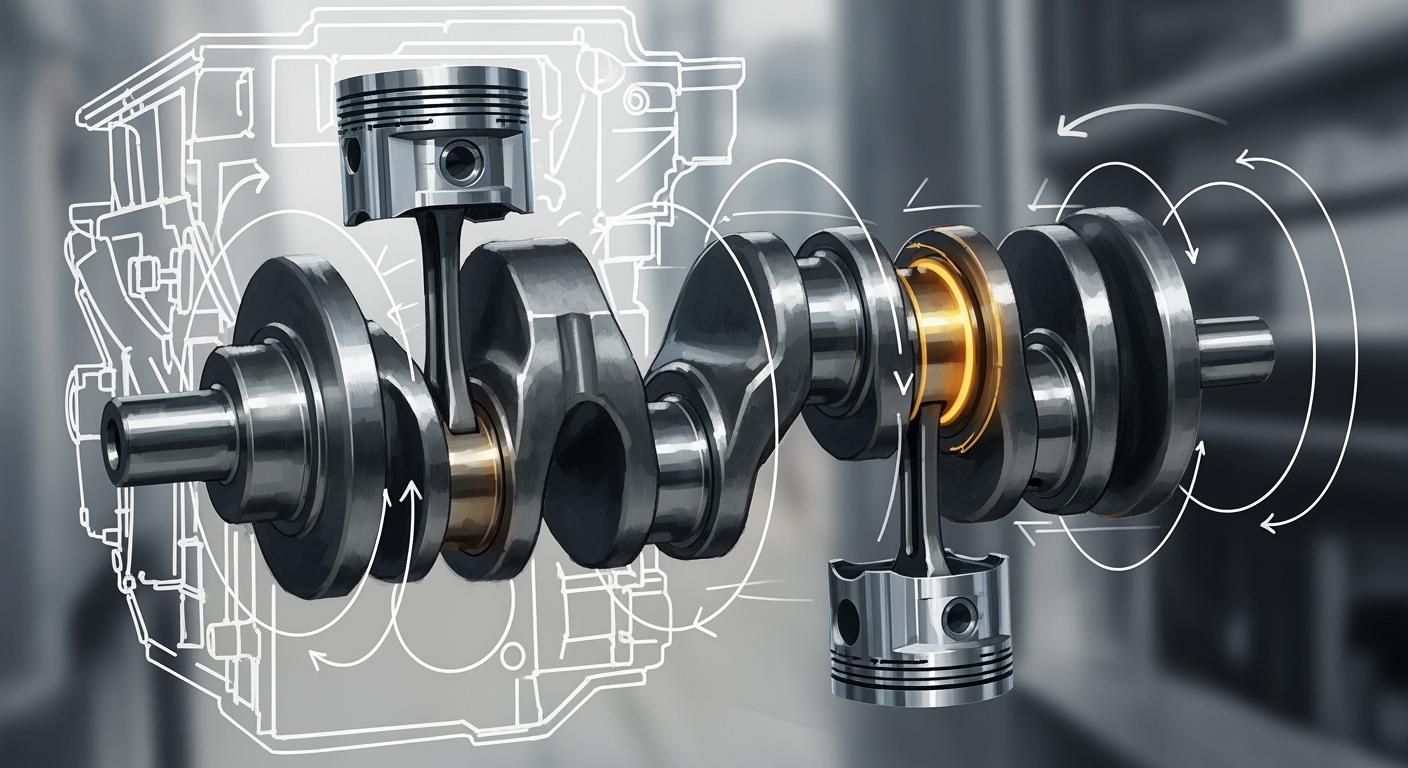
A crankshaft is a key part inside your engine. You can think of it as the part that helps your car move. The crankshaft takes the up-and-down movement from the pistons and turns it into a spinning motion. This spinning motion makes the wheels turn. Without a crankshaft, your engine cannot send power to the wheels. You rely on the crankshaft every time you start your vehicle.
Key TakeawaysThe crankshaft changes the pistons’ up-and-down motion into spinning motion. This spinning motion is needed to move your car. A good crankshaft helps the engine run smoothly. This makes your car work better and use less fuel. Listen for knocking sounds or vibrations. These can mean there are crankshaft problems. If you notice them, get help right away. Doing regular maintenance, like oil changes, helps your crankshaft last longer. It also keeps your engine healthy. Knowing about crankshaft parts and what they do can help you spot problems early.
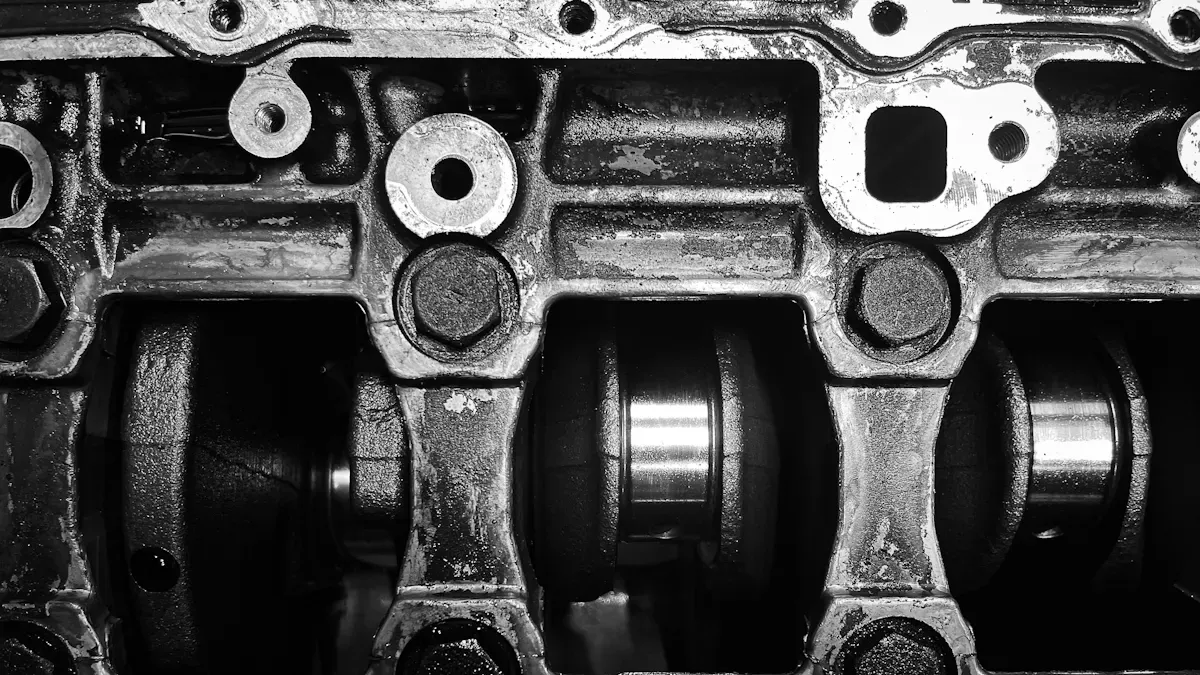
You can picture the crankshaft as the heart of your engine. When your engine runs, the pistons move up and down inside the cylinders. This movement is called reciprocating motion. The crankshaft changes this straight-line motion into a spinning motion. You see this happen every time you drive.
The process works like this: As the pistons move down from the force of combustion, they push on connecting rods. These rods attach to the crankshaft at special points called crankpins. When the connecting rods pull on the crankpins, the crankshaft starts to rotate. This rotation is what your engine needs to create power. Without the crankshaft, the energy from the pistons would not turn into useful motion.
Tip: The crankshaft makes sure that the energy from the engine does not go to waste. It turns the up-and-down movement into a spin that can drive your car forward.
Once the crankshaft starts spinning, it must send this power to the wheels. The crankshaft connects to a part called the flywheel. The flywheel helps keep the spinning smooth and steady. When you press the clutch pedal, the clutch connects the flywheel to the transmission. This connection lets the power flow from the engine to the rest of the car.
Here are the main steps in this process:
The crankshaft spins and transfers power to the flywheel.
The flywheel provides a stable surface for the clutch to engage.
The clutch connects the engine to the transmission when you press the pedal.
The clutch disc, which sits between the flywheel and pressure plate, uses friction to move power.
The pressure plate holds the clutch disc against the flywheel, making a strong connection.
Power travels through the transmission input shaft to the drivetrain.
The drivetrain sends the power to the wheels, making your car move.
You can see how the crankshaft acts as the main link between the engine and the wheels. Every time you drive, the crankshaft works to keep your vehicle moving smoothly.
Crankshaft ImportanceYou depend on the crankshaft every time you start your vehicle. This part connects all the moving pieces inside your engine. When you turn the key, the crankshaft begins to spin. This spinning action helps the engine create power. You can think of the crankshaft as the main link between the fuel burning in the cylinders and the movement of your car.
The crankshaft works with other parts to keep the engine running smoothly. It keeps the timing of the engine in check. If the crankshaft does not spin at the right speed, the engine can shake or stall. You need a healthy crankshaft for your engine to work well.
Note: If you hear knocking or feel vibrations from your engine, the crankshaft might have a problem.
The crankshaft plays a big role in how your car feels on the road. A well-balanced crankshaft helps your engine run quietly and with less vibration. You get smoother acceleration and better fuel use. If the crankshaft has damage or wears out, you may notice rough idling or loss of power.
Here is a quick look at how the crankshaft affects your driving experience:
|
Crankshaft Condition |
What You Notice |
|---|---|
|
Good |
Smooth ride, quiet |
|
Worn |
Vibrations, noise |
|
Damaged |
Power loss, stalling |
You should pay attention to any changes in how your engine sounds or feels. These signs can warn you about crankshaft issues before they get worse. By keeping the crankshaft in good shape, you help your engine performance stay strong and reliable.
Crankshaft Parts and Types
You can find several important parts in a crankshaft. Each part has a special job that helps your engine run smoothly. Here is a table that shows the main components and what they do:
|
Component |
Function |
|---|---|
|
Main Journals |
Support crankshaft in engine block |
|
Rod Journals |
Connect to connecting rods |
|
Counterweights |
Balance rotating assembly |
|
Front Snout |
Mounts harmonic balancer, timing gear |
|
Rear Flange |
Attaches to flywheel/flexplate |
|
Oil Passages |
Deliver oil to rod bearings |
The main journals hold the crankshaft in place inside the engine. Rod journals connect to the connecting rods, which link the crankshaft to the pistons. Counterweights help balance the crankshaft as it spins. The front snout holds the timing gear and harmonic balancer, which keep the engine running in time. The rear flange connects the crankshaft to the flywheel, sending power to the transmission. Oil passages move oil to the rod bearings, keeping everything cool and smooth.
Crankshafts use strong materials like forged steel or cast iron. These materials help the crankshaft handle high stress and heat. Many crankshafts have heat-treated surfaces and hardened journals. This makes them last longer and work well in both regular and high-performance engines.
You can find different types of crankshaft design in engines. The two most common are cross-plane and flat-plane crankshafts. Cross-plane crankshafts have crankpins set at right angles. This design gives you a smoother and quieter engine. Flat-plane crankshafts have crankpins set in a straight line. This type lets the engine rev faster and makes a sharper sound.
Tip: If you want a smooth ride, you will like the cross-plane crankshaft. If you enjoy a sporty sound and quick revs, the flat-plane crankshaft is a good choice.
New technology has brought even more changes. Some crankshafts now use lightweight materials like composites or powder metal. These materials make the crankshaft lighter and stronger. Some modern crankshafts have smart sensors. These sensors help you check the crankshaft’s health and keep your engine running its best.
A well-balanced crankshaft keeps your engine quiet and smooth. If the crankshaft is not balanced, you may feel vibrations or hear knocking noises. These signs can warn you about problems inside your engine.
Crankshaft Problems and TroubleshootingYou might see warning signs if your crankshaft has problems. These signs help you find trouble early and keep your engine safe. The table below lists common symptoms, what causes them, and what you should do:
|
Symptom |
Most Likely Cause(s) |
Recommended Next Step |
|---|---|---|
|
Low oil pressure at idle (hot) |
Worn bearings, oil pump issues |
Check with a mechanical gauge; inspect oil |
|
Knock under load, changes with RPM |
Worn rod or main bearing |
Use a stethoscope; check oil for metal |
|
Metallic debris in oil |
Bearing wear, piston damage |
Inspect oil filter; analyze oil |
|
Excessive crank end play |
Thrust bearing wear or failure |
Measure with dial indicator |
|
Check Engine Light is on |
Sensor or crankshaft problem |
Scan for codes |
|
Engine stalls or will not start |
Sensor failure, wiring issue |
Inspect sensor and connections |
|
Rough idle or loss of power |
Crankshaft or bearing wear |
Listen for noise; check for vibration |
You should also look for engine misfires or slow starts. If your car hesitates when you speed up, it could be crankshaft trouble. Longer cranking before the engine starts is another sign.
Tip: If you see shiny bits in your oil or hear knocking, stop driving and get your car checked soon.
You can use some easy steps to find crankshaft problems. First, use a scan tool to look for codes, like P0335. Clean all ground wires and check the crankshaft position sensor for damage. Use a multimeter to test the sensor’s voltage and signal. Watch the engine RPM while you try to start the car to see if the sensor works.
Here is a checklist you can follow:
Scan for codes, especially P0335.
Clean and check all ground wires.
Look at the crankshaft position sensor and wires for damage.
Test the sensor circuit with a multimeter.
Watch engine RPM while starting.
Change the sensor if needed and relearn the crankshaft variation.
You can also check your oil and look for vibrations to spot crankshaft wear early. Change your oil often and use the right kind to help prevent damage. If you see warning signs, fix them fast to avoid bigger problems.
Note: Doing regular maintenance and watching for changes in your engine can help you avoid expensive repairs.
You need the crankshaft each time you drive. It helps your engine use fuel to make your car move. Listen for odd sounds or shaking from your car. Look for any warning lights on your dashboard. Make sure to get your car checked by a good mechanic often. If you see or hear anything different, get help fast. Paying attention helps keep your car safe and working well.
FAQIf your crankshaft breaks, your engine will stop working. You cannot drive your car. You should call a mechanic right away. Driving with a broken crankshaft can cause more damage.
You might hear knocking sounds or feel strong vibrations. Your engine may run rough or lose power. Sometimes, a warning light will turn on. If you notice these signs, get your engine checked soon.
You can sometimes repair a crankshaft if the damage is small. Mechanics can grind or polish it. If the crankshaft has big cracks or breaks, you need to replace it.
A crankshaft can last as long as your engine if you take care of it. Regular oil changes and good maintenance help it last longer. Most crankshafts work well for many years.
Please leave your requirements and contact information, and we will send you the quotation information as soon as possible.