Date: 2026.04.20 Click: 4
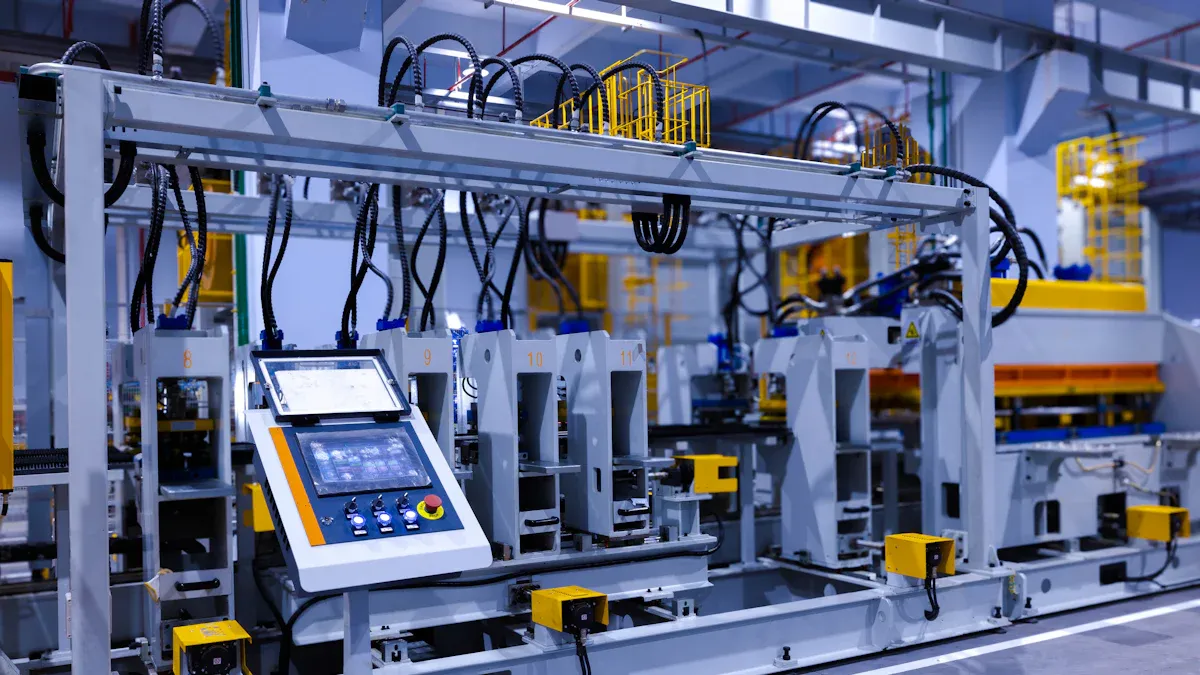
You can find pneumatic cylinders in many automated machines today. These devices use compressed air to move a cylinder back and forth. This creates straight-line motion. Pneumatic cylinders work well and are very reliable. Their simple design makes them easy to set up and fix. You can trust them to work even in tough places. Pneumatic cylinders need less care than electric or hydraulic systems. They also give steady results. Because they are small and flexible, you can use air cylinders in lots of factories.
Key TakeawaysPneumatic cylinders use compressed air to move in a straight line. This makes them great for automation jobs. You need to pick the right pneumatic cylinder for your work. This helps your automation system work well and saves time. Check for leaks and clean the cylinders often. This keeps them working longer and helps machines run better. Pneumatic cylinders can do many jobs. They are used in robots, packaging, and factories. New smart features help control them better and save energy. This is why many factories use them today.

You see a cylinder in many machines that use pneumatic cylinders. A cylinder is a tube-shaped device that creates straight movement. You use it to push, pull, or lift objects. Pneumatic cylinders rely on air to work. When you add compressed air, the cylinder moves a rod inside. This motion helps you control parts in automation systems. You find cylinders in robots, factory lines, and packaging machines.
A cylinder has several important parts. Each part helps the cylinder work smoothly and last longer. Here is a simple list of the main components:
Barrel: The barrel is the main body of the cylinder. It holds the air and guides the piston.
Piston: The piston sits inside the barrel. It moves when air enters the cylinder.
Rod: The rod connects to the piston. It sticks out from the cylinder and moves objects.
Seals: Seals keep the air inside the cylinder. They stop leaks and protect the parts.
End Caps: End caps close the cylinder at both ends. They hold everything together.
Tip: If you check a pneumatic cylinder, you will see these parts working together. Each part plays a role in making the cylinder strong and reliable.
You use pneumatic cylinders to turn air pressure into movement. When you send compressed air into the cylinder, the pressure builds up inside the barrel. This force pushes the piston forward. The piston moves the rod, which creates linear motion. You can use this motion to press, clamp, or lift items in automation. The seals and end caps keep the air inside, so the cylinder works smoothly. Pneumatic cylinders give you steady force and quick action. You can trust them to work in many tasks because they use simple parts and strong air pressure.
Pneumatic Cylinder TypesYou can pick from different pneumatic cylinder types for your projects. Each type has special features that help with certain jobs. You see these cylinders in robots, clamps, and medical tools. Their small size lets them fit in tight spots. They help machines work faster.
Note: Choosing the right pneumatic air cylinder can make your system faster and more reliable.
Here is a table that shows the main kinds of pneumatic cylinders. You can look at their structure, benefits, and best uses.
|
Cylinder Type |
Main Structural Feature |
Core Advantage |
Best Suited For |
Typical Limitation |
|---|---|---|---|---|
|
Standard Cylinders |
Conventional general-purpose |
Works for many jobs, wide force and stroke |
General straight movement and daily automation |
Not great for strong side loads or stopping rotation |
|
Twin Rod & Tri-Rod |
Multi-rod support and guiding |
More stable, stops rotation, handles offset loads |
Guided movement, wider loads, moving fixtures, positioning |
Usually bigger and more specialized |
|
Compact Cylinders |
Shorter body length |
Saves space when installing |
Short movements in tight machines |
Not good for long strokes or tough side loads |
|
Mini Cylinders |
Smaller and lighter overall design |
Good for light jobs and small equipment |
Small machines, light loads, compact devices |
Not strong enough for heavy-duty jobs |
You use a single acting pneumatic cylinder for simple moves. This cylinder uses air to push the rod out. A spring or gravity pulls the rod back in. You see single acting cylinders in clamping and ejecting jobs. They work well in packaging and moving materials. You can count on them for basic power in factories.
Car manufacturing
Moving materials
Clamping and ejecting jobs
Tip: Single acting cylinders save energy because they only use air in one direction.
You use a double acting pneumatic cylinder for moves both ways. This cylinder uses air to push and pull the rod. You get better control and faster action. Double acting cylinders help with repeating jobs. They use less energy and need less fixing. You see them where you need steady movement and high speed.
Moves in both directions
Good control for repeating jobs
Faster action and higher speeds
Less fixing needed
More safety and productivity
Callout: Double acting pneumatic cylinders are great for assembly lines and robots.
You use compact and mini cylinders to save space. These pneumatic air cylinder types fit in tight machines. Compact cylinders have a short body and work well for short moves. Mini cylinders are smaller and lighter. You use them in small machines and light jobs. Both types help you build small and efficient devices.
Here is a table that shows the size and force for mini and compact cylinders:
|
Aspect |
Mini Cylinder |
Compact Cylinder |
|---|---|---|
|
Bore Range |
8–40 mm |
12–100 mm |
|
Stroke Range |
5–200 mm |
5–100 mm |
|
Output Force |
Low |
Medium |
Tip: Compact and mini cylinders are great for medical tools and robots.
You can find special pneumatic cylinder types for unique jobs. Twin rod and tri-rod cylinders give extra stability and stop rotation. Guided cylinders move wider loads and fixtures. Pneumatic iso cylinder designs follow world standards. You use these special cylinders when you need extra features or strength.
Twin rod cylinders for guided movement
Tri-rod cylinders for handling offset loads
Pneumatic iso cylinder for standard parts and easy swaps
Note: Specialty cylinders help you solve hard automation problems.
You can choose from many pneumatic cylinder types to fit your needs. Each cylinder gives special benefits for automation. Their small size and flexibility make pneumatic air cylinder designs popular in modern machines.
Applications of Pneumatic Cylinders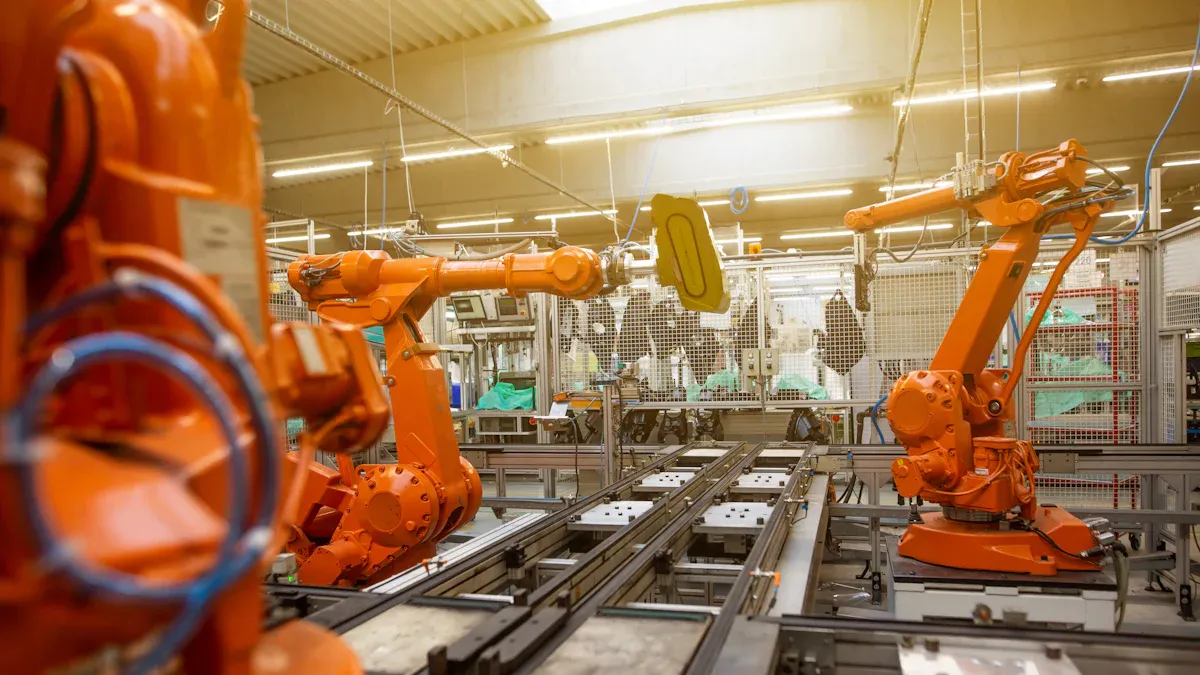
You can find pneumatic cylinders in many factories. These devices help move, press, clamp, and place parts quickly. They work wherever machines need straight-line movement. Pneumatic cylinders use compressed air to make force. This makes them a top pick for many automation jobs. Their simple design and strong power make them great for industrial pneumatic cylinders and other machines.
Factories use pneumatic cylinders for many tasks. They push, pull, lift, and hold things. These cylinders press parts together and clamp materials tight. They also help push finished items out of machines. You see them in feeders, conveyors, and sorting systems. Pneumatic cylinders give steady force and fast action. This helps keep the production line running well.
Pneumatic cylinders work well in tough places. They do not need much care and last a long time. You spend less time fixing machines and more time making products.
Here are some common uses for pneumatic cylinders:
Pressing metal sheets in car factories
Clamping wood in furniture making
Placing items on assembly lines
Pushing finished goods from molds
Moving parts in packaging machines
Almost every factory uses these cylinders because they save energy and work well. Industrial pneumatic cylinders help you make more products and stop delays.
Pneumatic cylinders help robots and machines move with care. These cylinders fit in small spaces and give strong turning power. This is important for robots and moving arms. You can control how fast and hard each cylinder moves. This helps your machines work just right.
Pneumatic cylinders help automation in many factory jobs.
You get strong force and good control in small spaces.
These cylinders use less energy than electric ones, so you save money.
You can use pneumatic cylinders to grip, lift, and turn parts. In factories, you see them in welding robots and painting arms. They are also in pick-and-place machines. Pneumatic cylinders help you build things faster and with fewer mistakes.
Tip: Using pneumatic cylinders in robots makes your production line better and more reliable.
The market for pneumatic cylinders is growing. In North America, it may grow by 12.2% from 2026 to 2033. This is because more factories want automation. Industries like manufacturing, cars, and planes need more of these systems. Smart pneumatic systems help you make more products and spend less.
You see pneumatic cylinders in many packaging and assembly lines. These cylinders help move boxes, seal packages, and put parts together fast. They push products into boxes and hold items for labels. They also help place goods for wrapping. Pneumatic cylinders give the speed and accuracy needed for big jobs.
You use pneumatic cylinders to fix and repair packaging machines.
These cylinders help you solve problems fast and keep things moving.
You can change or adjust a cylinder easily, which saves time.
On assembly lines, pneumatic cylinders help move and join parts. You see them in machines that screw, rivet, or snap pieces together. These cylinders make sure each part fits right, so you get good products every time.
Note: Pneumatic cylinders are key for fast and reliable packaging and assembly lines.
You can trust pneumatic cylinders for many factory jobs. Their simple design, strong force, and easy care make them a smart choice for automation. When you pick the right cylinder, you make more products and save money.
Cylinder Selection GuideWhen you choose a cylinder for your automation project, you need to look at several important points. Each factor helps you get the best results from your pneumatic cylinders.
Application requirements matter. Some jobs need special features, like using Pneumatic Iso Cylinders for tasks that follow set standards.
Sizing is critical. If you pick a cylinder that is too small, it may fail during work. If you choose one that is too big, you waste energy and space.
Material selection affects how long your cylinder lasts. Aluminum is light and easy to move, but it can wear out faster under stress. Stainless steel gives you more strength and lasts longer.
Mounting options are important. You need the right setup for your machine. If you do not align the cylinder well, it can break down early.
Tip: Always match the cylinder to your job’s needs. This helps your pneumatic cylinders work better and last longer.
You must match the type of cylinder to your task. Each kind of cylinder works best in certain jobs. For example, single-acting cylinders are good for simple pushing or pulling. Double-acting cylinders give you control in both directions. Compact and mini cylinders fit in small spaces and help with light loads.
Common mistakes can happen if you do not check the details. Using the wrong seal material, like standard NBR seals in high heat, can cause early failure. You should use PTFE or Viton seals if your job gets hotter than 80°C. Poor mounting and bad alignment can lead to side loading. This wears out your cylinder fast and can damage your machine. You should check mounting fasteners and rod end connections often.
Note: Picking the right cylinder type and checking your setup helps you avoid problems and keeps your pneumatic cylinders running smoothly.
You can keep your pneumatic cylinders in top shape with a few simple steps:
Inspect your cylinder often for leaks or strange sounds.
Look for wear and tear, especially on seals and fittings.
Use the right lubricant for your cylinder’s material. Do not use too much.
Clean your cylinder to stop dirt from building up.
Store your cylinder in a safe place with steady temperature and humidity.
Follow the maker’s care guide for your cylinder.
Train your team on how to care for pneumatic cylinders.
Callout: Good care helps your cylinder last longer and keeps your automation system working well. You save money and avoid downtime.
You can trust pneumatic cylinders to power your machines if you choose the right cylinder, match it to your task, and follow these tips. The right choices help you get strong, steady motion from air every time.
Air cylinders help machines move quickly and reliably. They let you finish tasks fast and keep things clean. You spend less money than with other actuators. Their small size fits well in new machines. Now, some air cylinders have smart features like IoT and designs that save energy. To get the best results, look at what your job needs. Check cylinders often and use the right oil. Pneumatic cylinders are getting more popular because industries want better and flexible machines.
Quick movement and simple setup
Clean and safe for places that need care
Smart features give you more control
FAQPick the right cylinder so your automation works well.
You use a pneumatic cylinder to create straight-line motion. It moves objects by pushing or pulling. You see these cylinders in machines that need fast and reliable movement.
You check for leaks and listen for odd sounds. You clean the cylinder and use the right oil. You follow the maker’s care guide. Regular checks help your cylinder last longer.
You use pneumatic cylinders for automation in factories, robots, and packaging lines. These cylinders help machines press, clamp, and move parts quickly. You see them in many modern automated systems.
You can fix a pneumatic cylinder by replacing seals or cleaning parts. You check for broken rods or worn-out fittings. You follow simple steps to repair most problems.
You use pneumatic cylinders because they do not leak oil. They work cleanly and safely. You can trust them in places that need careful handling, like food or medical equipment.
Please leave your requirements and contact information, and we will send you the quotation information as soon as possible.