Date: 2026.11.07 Click: 31
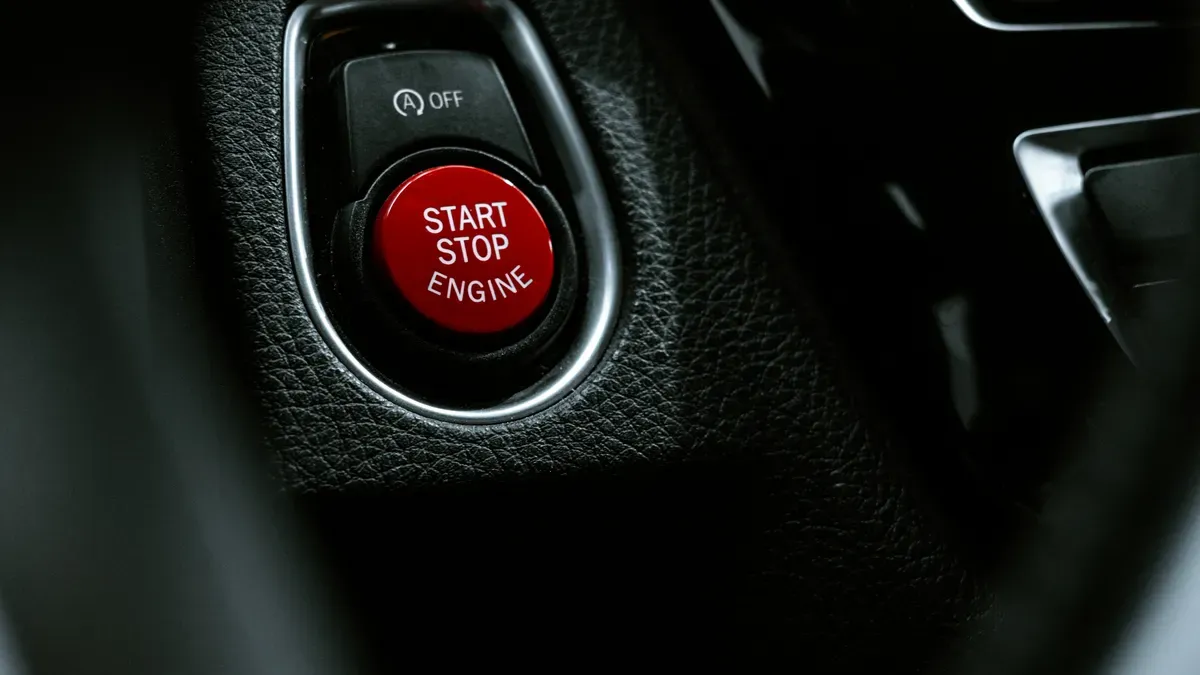
Yes, your car still needs a starter motor. Every gas, hybrid, and electric car relies on one to begin operation. Five myths suggest otherwise. Here they are:
Electric vehicles skip starter motors.
Start-stop systems kill starter motors.
Push-button start retires starter motors.
Starter motors are unreliable.
Starter motors are phased out.
You will get plain facts here, no jargon. Each claim about your car sounds reasonable at first. Each one falls apart under a close look. A modern car starts the same way an older car does. Many cars share the same simple setup. Let's walk through the truth, one fact at a time.
Key TakeawaysElectric vehicles still use a motor to start, but it works in a different way than in gas cars.
Start-stop systems use stronger starter motors to handle frequent restarts.
Push-button start still needs a starter motor; the button only turns it on.
Starter motors are dependable and often last more than 100,000 miles if you take good care of them.
Starter motors are not going away; they are changing to fit new vehicle needs.
One common electric vehicle myths claim says electric vehicles skip starting hardware. Electric vehicles use a different starting mechanism, but a motor still connects to the battery to begin operation. Electric vehicles work differently from a gasoline car. The traction motor is always ready once the battery management system and vehicle electronics are on. There is no engine to crank, no idle speed to set, and no warm-up before driving. Electric vehicles simply wake up.
Instead of asking you to start the car, many EVs recognize an authorized key or smartphone, wake up when you get in, and get ready after you press the brake pedal. Tesla, Rivian, Lucid, and Polestar let drivers enter, press the brake, pick a gear, and drive away. Once you park, the car powers down when you exit and lock the doors. Many automakers still put a start button on EVs. It helps new drivers feel at ease and makes the switch from gasoline-powered vehicles smoother. Drivers of EVs notice the difference right away.
A gasoline car's engine cannot know which cylinder fires next without an outside cranking mechanism. The starter motor spins the engine until it catches. That is why it is still essential in gas and hybrid models. Gasoline cars and gasoline vehicles of every size depend on this crank. A gasoline car with a weak battery may click instead of start. The car's engine needs that first push every time. Every gasoline engine follows the same rule.
So it has not disappeared from cars. It has taken on a new job in some models. In EVs, the engaging motor is the traction motor itself, and it pulls from the ev battery pack. Owners of EVs still care about ev charging and battery health. Electric vehicle batteries and electric vehicle drivetrain batteries wear down with use. Regular ev charging keeps an ev battery healthy. Electric vehicle charging habits matter over the life of an electric vehicle over its lifetime. Charging at home overnight works for most drivers. Public charging fills the gaps on long trips. Batteries in EVs last many years with sensible charging. Gasoline cars and gasoline vehicles still need that crank, and EVs still need healthy batteries.
Myth 2: Start-Stop Systems Kill Starter MotorsYou stop at a red light. The engine shuts off. The light turns green, and the engine fires back up. A start-stop system repeats this cycle many times per trip. One of the most common myths says the habit destroys the starter motor. The truth is more balanced. More starts do equal more strain, as Red River Ford Cabot puts it. That strain lands on the starter, the alternator, and the battery. Bruce Bros Tire notes that the feature places extra demands on these parts. The same source also reports that a vehicle with this feature carries a specially designed starter. Proper maintenance helps it last. You face fewer worries about early replacement with regular service. Drivers of gasoline cars and gasoline vehicles see the biggest savings in heavy traffic. A gasoline car on the open road barely cycles at all. A car in a jam shuts down constantly. Owners of gasoline vehicles learn to trust the system. Gasoline engines restart fast enough that most drivers stop noticing.
Engineers do not drop a traditional starter into these cars. Green Car Reports explains the design changes:
The gear ratio is optimized so the motor turns more slowly. About 90 percent of brush wear happens during coast-down, not cranking, so a shorter spin adds life.
The carbon and copper brushes differ in composition from traditional ones.
Needle bearings replace oil-impregnated bushings.
A redesigned solenoid separates the mechanical and electrical actions.
Wikipedia notes that BMW uses an enhanced conventional starter from Bosch. That unit handles the extra starts in a stop-start car. A healthy battery keeps the cycle smooth. These batteries also feed the accessories during a restart. So the parts inside your car evolved. A modern car handles this duty well.
Myth 3: Push-Button Start Retires Starter MotorsBut the main question most car buyers have about new stop-start systems is: won't they wear out my car's starter motor? The answer is no.
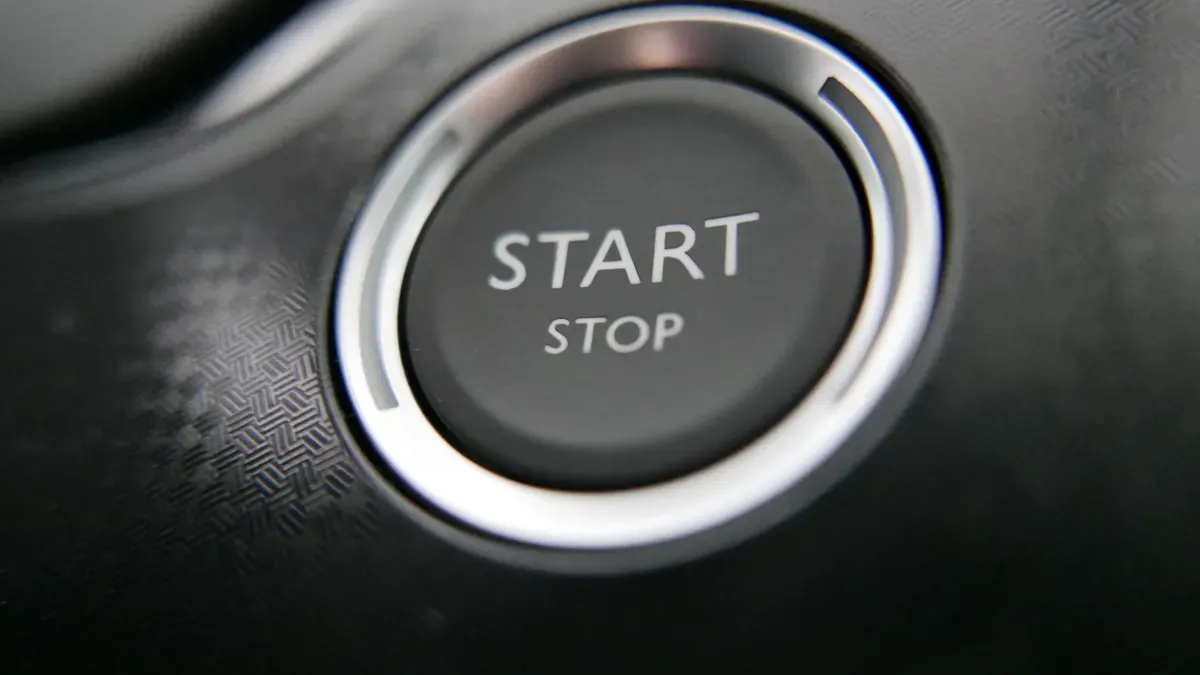
One of the most stubborn myths says a button replaces the hardware under the hood. It does not. Your finger sends a low-current signal. Digital Guard Dawg explains the process well: the system takes that small signal and turns it into the high-current power your vehicle needs to wake up. A relay often carries the load. Watson's Street Works lists the wiring for a typical relay:
|
Pin |
Connect to |
|---|---|
|
Pin 30 |
12V constant power (fused) |
|
Pin 85 |
ground |
|
Pin 86 |
push button output (so the relay activates when pressed) |
|
Pin 87 |
ignition wire (RUN position) |
Pressing the button cranks the starter motor and keeps power flowing to the ignition system until you shut it off. Some kits need that relay to carry the current. You run a wire from the button's output terminal to the starter solenoid wire.
Keyless ignition changes the order of events, not the parts. Digital Guard Dawg describes the sequence: the control module turns on the accessory circuit, then the ignition circuit, then the starter motor. The result matches a turned key, minus the physical motion. Driv Heavy Duty Parts breaks the crank into six steps:
You activate the ignition, and a signal reaches the starter solenoid.
The solenoid closes the circuit between the battery and the motor.
The motor draws energy from the battery and pushes the pinion gear forward.
The pinion meshes with the flywheel and turns the crankshaft.
The crankshaft's motion begins combustion, and the engine starts.
The pinion retracts, and the system powers down.
Security adds another layer. Digital Guard Dawg notes that the system immobilizes the vehicle when no authorized fob is detected. The starter circuit locks electronically. No fob, no start. So keyless ignition still depends on a starter motor, a battery, and a healthy electrical path. Owners of gasoline cars and gasoline vehicles get the same reliable crank, just triggered by a button instead of a key. That holds true for any car with this feature, and it holds true for every gasoline car on the road today. Modern batteries and strong batteries keep the sequence smooth.
Myth 4: Car Maintenance Myths: Starter Motors Are Unreliable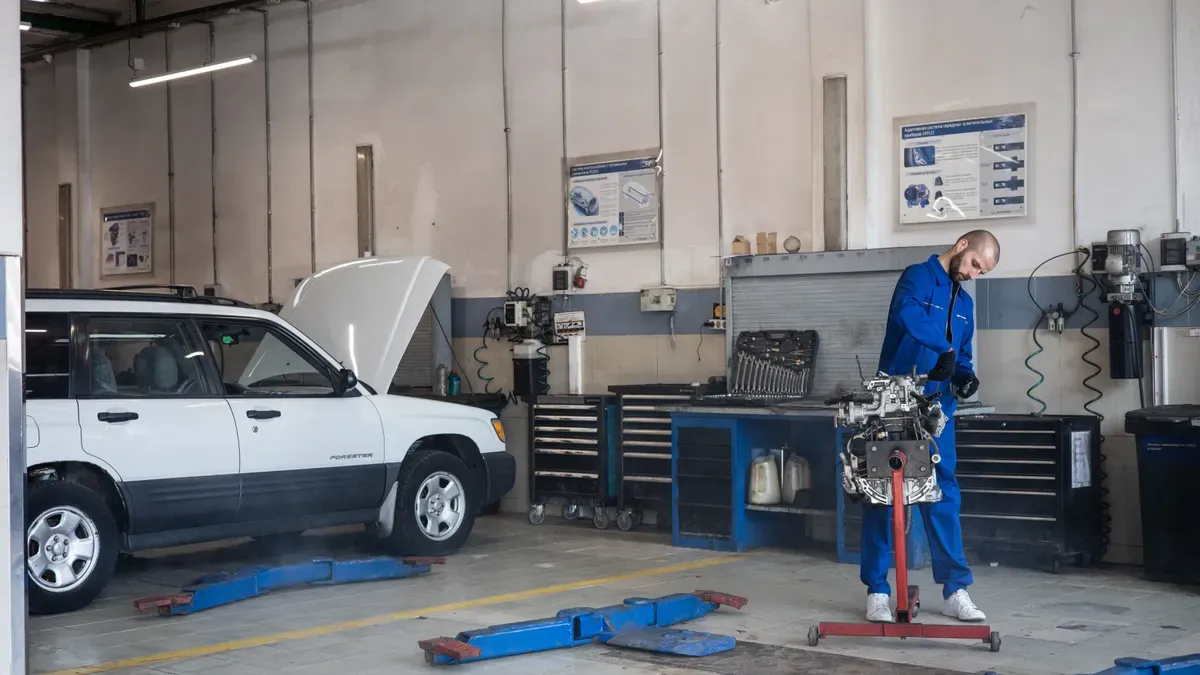
One of the most common car maintenance myths says the starter motor fails often. The facts tell a calmer story. A modern brushed starter motor is still a reliable, cost-effective way to crank the engine. Wear and tear, stop-start commuting, and the environment all shape how long it lasts. You get years of service from a part that costs far less than the problems it prevents.
SEG Automotive, a supplier with decades of experience, sums up the design goal well:
Reliable start every time.
Decades of experience ensure maximum reliability in every situation.
Durable, high-performance products for the OE market and the aftermarket.
Starter motors used worldwide that are reliable, powerful, and future-oriented.
Good car maintenance tips keep that record intact. Minimize engine drag and manage heat buildup, and you keep your vehicle starting reliably all day. A little preventative care today protects dependable starting power tomorrow.
Here is the twist in these car maintenance myths. The starter motor rarely causes the trouble. Starter batteries are the number one cause of breakdowns. A weak battery clicks, cranks slowly, or quits in cold weather. So starter-related care still matters, and proper diagnosis means testing, not guessing. Test the battery, the cables, and the starter circuit before you replace parts.
Regular maintenance pays off here. Check the battery and its connections during every service visit. Keep the terminals clean and tight. Watch for slow cranking, because it warns you before a failure. These habits cost little and save plenty. Gasoline cars reward this attention with quick, confident starts. Gasoline engines ask a lot of the battery on the first cold crank. A healthy battery answers every time. Your car's engine depends on that first strong spin. Treat the battery as the heart of the system, and the starter motor simply does its job.
Myth 5: Myths That Starter Motors Are Phased OutOne last myth says new technology retires the starter motor for good. Instead, the part keeps changing shape. Hybrid models carry both an electric motor and a gas engine. They still need a starter motor built for hybrid work, a LinkedIn analysis by Deore reports. Electric vehicles follow a different path. Their motors deliver torque right away, so EVs need no separate device to start moving. Engineers still adapt these parts so they run smoothly in electric vehicles.
The same analysis points to three shifts:
Electric vehicles get lighter, cheaper designs through software and hardware innovation.
Alternators in electric vehicles take a regenerative role that improves energy use and supports longer driving ranges.
EVs benefit from steady charge management across every system.
Open the hood of most gas cars today, and a starter motor sits there. Gas vehicles in cold weather lean on it hard. Gas car owners in stop-and-go traffic lean on it dozens of times per trip. Even EVs keep related hardware aboard.
Care matters more than worry. Watch your ev charging habits, because steady ev charging protects the ev battery over time. Smart ev charging at home covers most daily needs, and public charging fills the gaps on long trips. A healthy ev battery supports every system in the vehicle. Electric vehicle batteries reward that care with years of service. Gas car owners follow the same rule with a 12-volt battery. Check it often, clean the terminals, and replace it early. Gas vehicles start reliably with that habit.
Drivers of electric vehicles ask about this often. Owners of electric vehicles and EVs want the same reliability. Electric vehicles and EVs both keep a battery on board. Electric vehicles and EVs reward good habits. Charging routines decide how long the battery lasts. Charging at home overnight suits most drivers. Charging in public works on road trips. Charging speed matters less than consistency. Charging habits protect the battery. Charging discipline pays off for years. Every car owner benefits. A car with a weak battery struggles. Your car starts because the part works. A weak ev battery slows electric vehicles down. Owners of electric vehicles and EVs test it yearly. Fresh batteries help EVs and electric vehicles alike. EVs start fast, and the vehicle runs smooth.
Five myths, five facts. Here is the short version:
Electric vehicles still engage a motor to begin operation.
Start-stop systems use tougher starter motors, not weaker ones.
Push-button start still cranks a starter motor behind the scenes.
Starter motors are reliable, and battery care prevents most no-starts.
Starter motors are evolving, not disappearing.
You now know the truth behind these common myths. Your car depends on a starter motor, whether it runs on gas, pairs a gas engine with a hybrid setup, or drives on electric power alone. Treat battery checks as routine maintenance, and skip the guesswork. That habit protects every vehicle on the road. The part under your hood keeps changing shape, yet it keeps doing its job. Count on it.
FAQWear, stop-start commuting, and climate all shape how long a starter motor lasts. Regular maintenance keeps it cranking reliably. Treat the part well, and your car rewards you with quick starts.
No. The button sends a low-current signal. A relay or control module then powers the starter motor. Your car still cranks the same way. Keyless ignition changes the trigger, not the hardware.
More starts do add strain. Engineers answer with tougher parts: optimized gear ratios, different brushes, needle bearings, and a redesigned solenoid. Many car maintenance myths miss this. Proper maintenance keeps the system healthy.
The battery causes most breakdowns. A weak battery clicks or cranks slowly. Test the battery, cables, and starter circuit before replacing parts. Those myths about unreliable starters rarely hold up. Your car usually needs a battery, not a starter.
Yes. EVs skip the crank, but ev charging habits protect the battery over time. A steady routine at home covers most daily needs. A healthy battery supports every system. Your car stays ready either way.
Please leave your requirements and contact information, and we will send you the quotation information as soon as possible.