Date: 2026.11.16 Click: 10
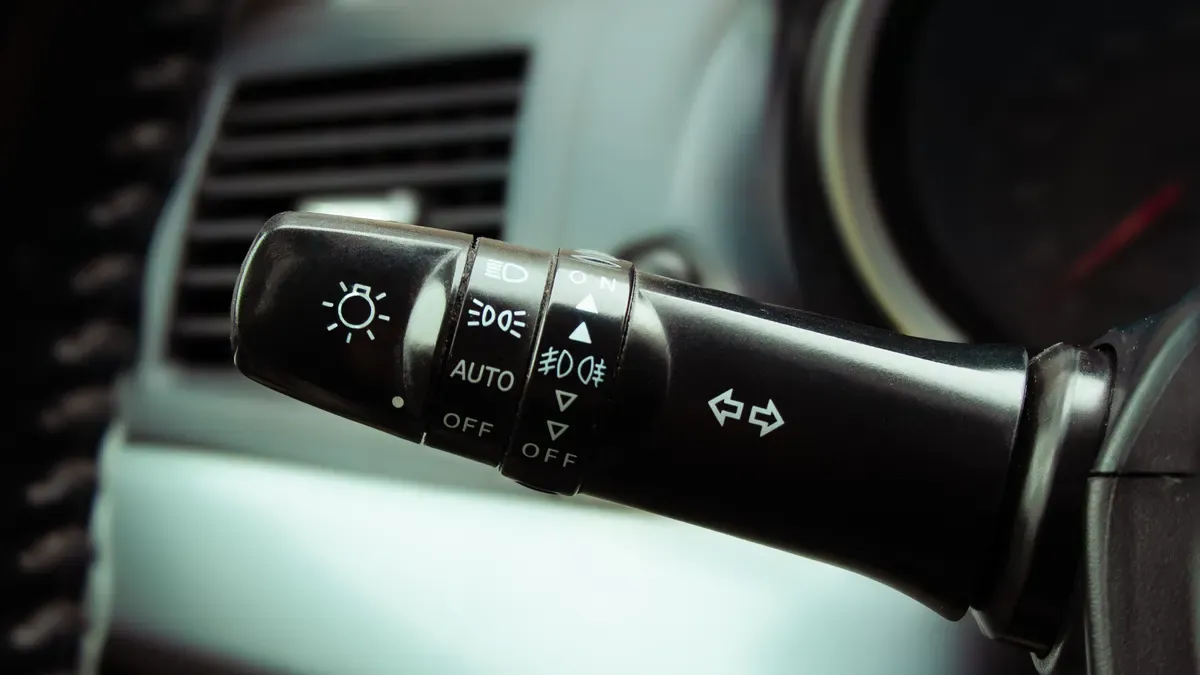
A turn signal is a light on a vehicle that blinks to show other drivers which way you plan to go. You push the signal lever up or down, and the signal lights on your vehicle flash on one side. Most people just call them blinkers, and you will hear that word everywhere. They sit at the front and rear corners of the car. They flash only on the side you pick, so the message stays clear. A driver behind you sees the flash in the mirror and knows your next move before you make it. That small habit keeps traffic moving smoothly.
Key TakeawaysTurn signals are blinking lights that show other drivers your intended direction.
Always signal early before you turn or change lanes to give others time to react.
The turn signal system uses a lever, switch, wiring, flasher relay, and bulbs to create the blink.
Listen for the click and watch the dash arrow to confirm your signal is working.
If your blinker flashes fast, check for a burned-out bulb on that side.
The turn signal lever sits behind the steering wheel on the left side. Push the lever up to signal a right turn. Push it down to signal a left turn. This one motion covers almost every situation on the road. You should signal whenever you're turning at an intersection, pulling into a driveway, or exiting a parking lot. The same rule applies when you change lanes on a highway or a city street.
Merging is another key moment. Signal when you're merging onto a freeway or joining a line of cars. Drivers already on the road need time to react. A quick flash gives them that time. You should also use your turn signals in parking lots, at roundabouts, and before pulling away from a curb. Any time your car moves sideways, other people need to know.
So why is using your turn signals important? The answer comes down to communication. Your lights tell nearby drivers the direction of the intended turn before your car moves. That warning prevents sudden stops and close calls. Traffic flows better when everyone shares the plan.
To properly use your turn signals, activate your turn signal early. Give the drivers behind you a few seconds of warning. Then make your move. The signal should turn off automatically after a turn or lane change. Some situations still need a hand. A shallow lane change or a gentle curve may not trigger the cancel feature. Check the dash arrow after every maneuver. If it still blinks, nudge the lever back to center by hand.
You can use your turn signals effectively with one simple habit. Signal first, then act. Never signal during the move or after it. A late flash helps no one. This small step is a core part of road safety, and it costs you nothing.
The Main Parts of a Turn Signal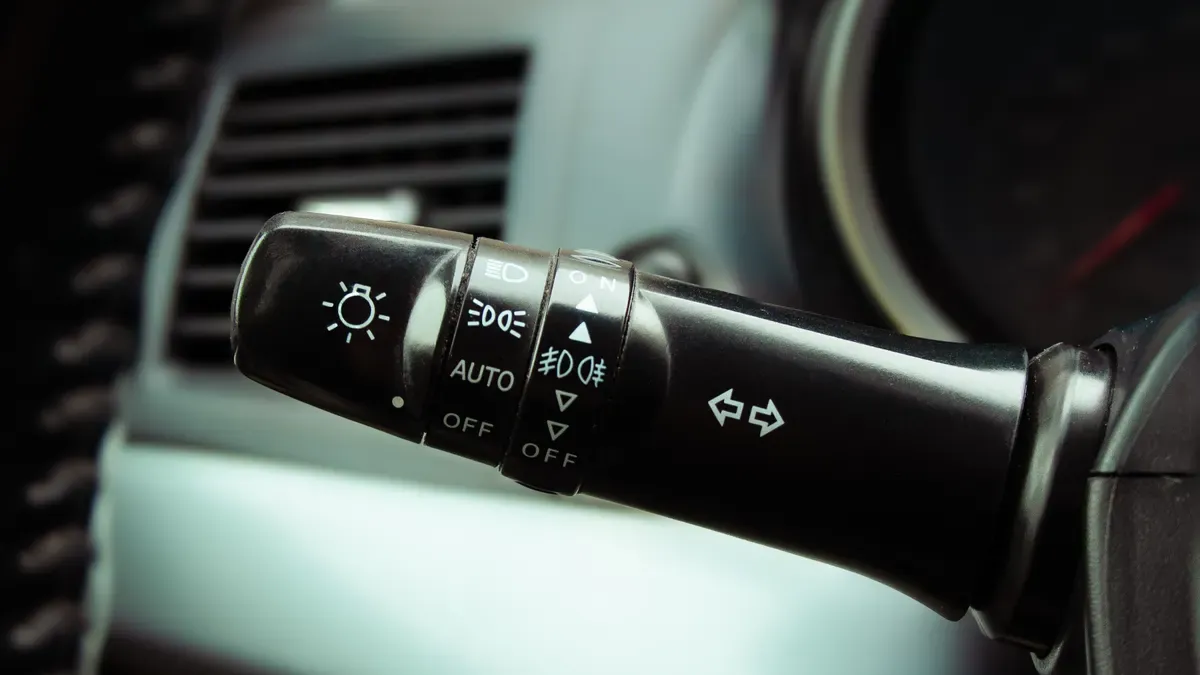
A turn signal system relies on a few simple parts working together. Turn signals are one of the simplest safety systems on a car. Each part has a clear job, and each one depends on the others. You can think of the system as a chain. The chain starts at your hand and ends at the flashing bulb. No single part does the whole job. Understanding each link helps you spot problems early.
The switch is the part you touch. It lives inside the turn signal lever on the left side of the steering column. When you move the signal lever, you close a set of electrical contacts inside the switch. Those contacts connect the battery to one side of the car. Push up, and the switch sends current toward the right-side lamps. Push down, and the current flows to the left-side lamps. Many switches also include a cancel cam. The cam rides on the steering shaft and trips the switch back to center after you complete a turn. That is why the lever often clicks off by itself. The same switch usually handles the hazard lights, which flash all four corners at once.
Wiring carries that current through the vehicle. Thin copper wires run from the switch to the flasher relay and then out to the signal lights at each corner. The wires are color-coded, so a technician can trace a fault without guessing. Connectors and ground points complete the circuit. A loose ground or a corroded connector can stop the flash even when the bulb is fine. That is why dead blinkers sometimes trace back to a wiring problem rather than a burned-out lamp.
The flasher relay creates the blink. It is a small module that sits in the circuit between the switch and the bulbs. Older cars use a thermal flasher with a bimetallic strip. Current heats the strip, the strip bends, and the contacts open. The current stops, the strip cools, and the contacts close again. That cycle repeats and produces the on-off rhythm you see. Modern vehicles often use an electronic flasher instead. It switches the current with solid-state components and holds a steady flash rate. An electronic unit also keeps the same rhythm when you swap in LED bulbs, which draw less current than incandescent ones.
The bulbs are the visible output. Each turn signal lights assembly holds a bulb at the front and rear corner of the car. An amber lens covers the bulb and tints the light. When current reaches the filament, the bulb glows. When the relay interrupts the current, the bulb goes dark. That repeated glow and dark cycle is the flash other drivers see. Many rear bulbs carry two filaments in one glass envelope. One filament handles the tail lamp, and the other handles the blinker. LED versions work the same way at the circuit level. A driver circuit feeds the diodes, and the relay still controls the timing.
The parts form one loop. Your hand moves the lever, the switch routes power, the wiring delivers it, the relay chops it, and the bulbs blink. A failure anywhere in that loop shows up as a signal that stays dark or stops flashing. Check the simple parts first, then work toward the relay.
How a Turn Signal Works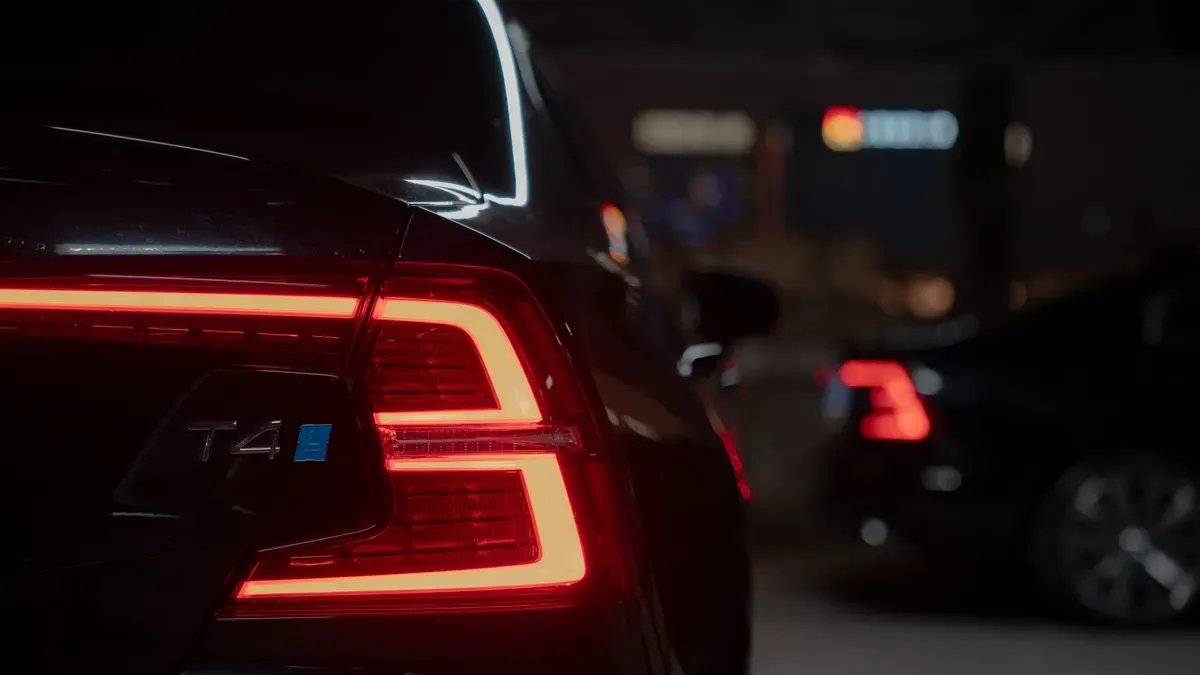
The whole system runs on one simple idea. Electricity needs a complete path to flow. Your turn signal lever closes a switch, and that switch completes the path to one side of the car. The current then travels through wires to the signal lights at the corners. This journey happens in a fraction of a second.
Here is the path the current follows. You activate your turn signal by moving the lever up or down. The switch inside the lever connects the battery feed to the chosen side. Current flows through the wiring harness toward the flasher relay. The relay interrupts the current in a steady rhythm. The current then reaches the bulb, and the bulb glows. When the relay breaks the circuit, the bulb goes dark. That cycle repeats about once per second on most vehicles.
The switch also decides which side gets power. Push the turn signal lever up, and the right turn signal circuit goes live. Push it down, and the left side lights up. The two sides never share a circuit, so the message stays clear. This design matters when you change lanes on a busy road. A driver behind you sees only one flashing corner, and that single flash tells the whole story.
The circuit also passes through the ignition switch on most cars. The blinkers only work when the key is on. That detail explains a common surprise. A car with a dead battery shows no flash at all, even with a good relay and good bulbs.
The flasher relay is the heartbeat of the system. Without it, the bulbs would simply stay lit. The relay chops the steady current into pulses, and those pulses become the flash you see.
A thermal flasher does this job with a bimetallic strip. Current heats the strip, and the strip bends. The bending opens a set of contacts, and the current stops. The strip cools, straightens, and closes the contacts again. This heat-and-cool cycle repeats as long as the switch stays on. The flash rate depends on the current draw, so a burned-out bulb slows the blink or stops it entirely. That quirk once served as a built-in bulb warning.
An electronic flasher works differently. Solid-state components switch the current on and off at a fixed rate. The rate stays steady no matter which bulbs you install. This design pairs well with LED bulbs, which draw less current than incandescent ones. A thermal unit may not heat up enough with LEDs, and the flash may run fast or not at all. An electronic flasher avoids that problem.
The relay also handles the hazard function on many vehicles. A separate flasher or a shared unit feeds all four corners at once. Either way, the principle stays the same. The relay interrupts the current, and the bulbs blink. You hear the click, and you see the flash. Both come from the same switching action inside the relay.
The Click and the Dash ArrowThat soft tick-tock comes from the flasher relay. Each time the relay opens and closes the circuit, the moving parts inside make a small mechanical noise. You hear the clicking sound in rhythm with the flash. The sound and the light share one source, so they always stay in step.
Older thermal flashers make a louder click. The bimetallic strip snaps as it bends and straightens, and that snap travels through the dashboard. Electronic flashers often run quieter, and some cars play a recorded click through a small speaker instead. Either way, the noise serves a purpose. It gives you feedback without taking your eyes off the road. You know your turn signal is working just by listening.
The dash arrow is your private copy of the outside flash. When you activate your turn signal, a green arrow on the instrument panel blinks on the same side. Push the signal lever up, and the right turn signal arrow lights. Push it down, and you see a flashing left arrow. The arrow confirms that power reached the bulbs.
Watch that arrow after every maneuver. The turn signal lever should cancel itself after making a turn, but not always. A shallow lane change or a gentle curve may leave the lever engaged. A blinking arrow with no turn ahead tells you to nudge the lever back to center. The arrow also warns you about a burned-out bulb. A fast, frantic blink usually means one lamp on that side has failed. Drivers behind you cannot see a dead blinker, so check the corners and replace the bulb. This habit matters most when changing lanes, where a missed flash can surprise the car beside you.
A turn signal is a light on your vehicle that blinks to show other drivers which way you plan to go. The system itself is simple. You move the signal lever, and the switch sends power to one side of the car. The flasher relay then interrupts that current in a steady rhythm, and the bulbs blink. That same lever cancels itself after most turns, so the flash stops when the maneuver ends. Now you know the parts and the path the current takes. Use your turn signals early, and every driver around you gets a clear warning before your car moves.
FAQA fast flash usually means one bulb on that side has failed. The flasher relay senses the lower current draw and speeds up the rhythm. Check the front and rear corners on the flashing side. Replace the dead bulb, and the normal pace returns.
A shallow lane change may not trip the cancel cam inside the switch. The cam needs a certain steering angle to reset the lever. Glance at the dash arrow after the move. If it still blinks, nudge the lever back to center by hand.
Hand signals serve as a backup for a failed blinker. Most states accept them when your lights stop working. Use your left arm out the window: straight out for a left turn, bent upward for a right turn, and angled down for a stop. Fix the blinker soon after.
Yes, but check the flasher relay first. A thermal relay may not heat up enough with LED bulbs, and the flash may run fast or not at all. An electronic flasher holds a steady rate with either bulb type. Confirm the bulb fits your housing.
Start with the simple parts. Test the bulbs, then inspect the connectors and ground points for corrosion. Check the fuse next. If those pass, test the flasher relay. A loose ground can kill the circuit even with good bulbs and a good relay.
Please leave your requirements and contact information, and we will send you the quotation information as soon as possible.