Date: 2026.11.17 Click: 5
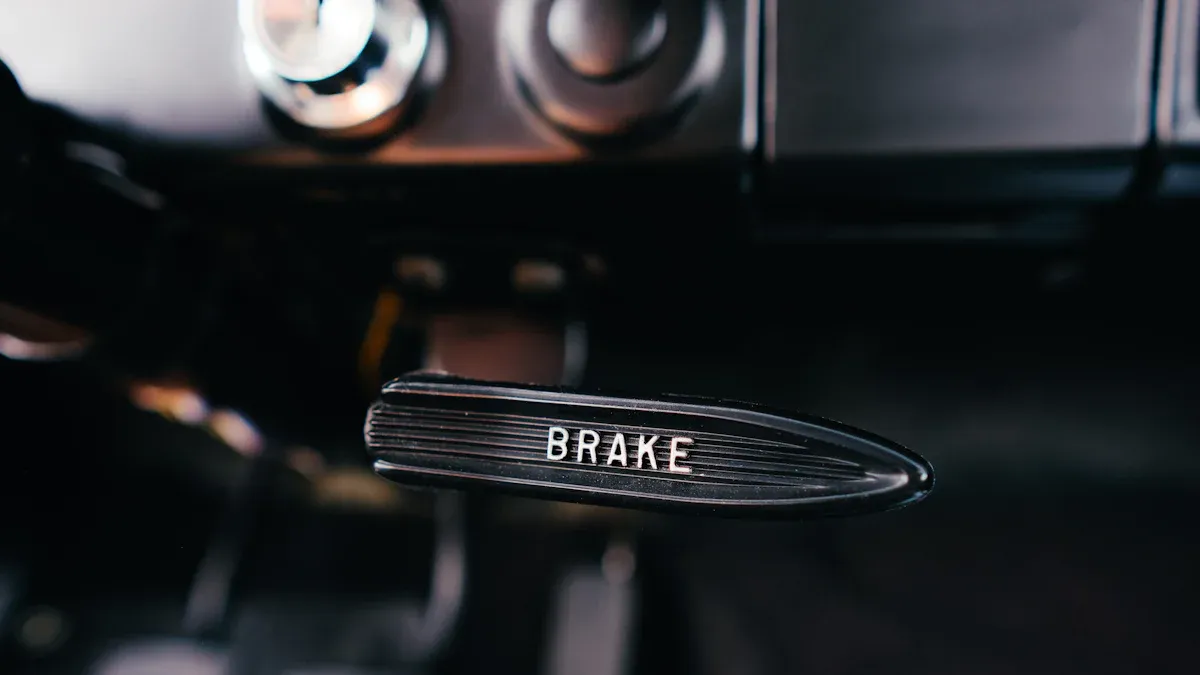
A brake light is the red light at the rear of a vehicle. It comes on when you press the brake pedal. This light has one primary job: it warns drivers behind you that your car is slowing or stopping. That warning gives them time to react and keep a safe distance. You should care about this small light for two reasons. First, it protects you and everyone around you on the road. Second, the law requires working brake lights on every vehicle. A burned-out bulb can lead to fines and, worse, a crash. Check your lights often. A quick test takes seconds and keeps you safe.
Key TakeawaysA brake light is a red light at the back of your car. It turns on when you press the brake pedal.
Brake lights warn drivers behind you that you are slowing down. This warning helps prevent rear-end crashes.
The law requires working brake lights on every vehicle. A broken light can lead to fines.
A dashboard brake warning light means a problem with your braking system. Check the brake fluid first.
Test your brake lights often. Ask a helper to watch the rear lights while you press the pedal.
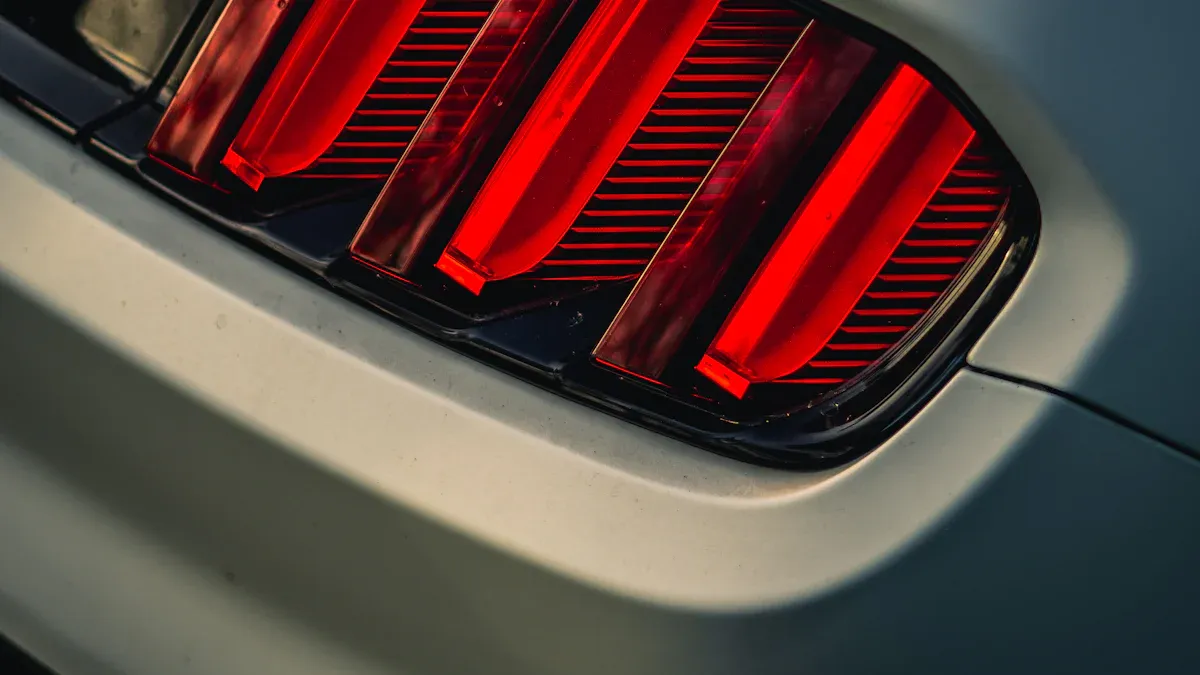
A brake light is a red lamp at the back of your car. It shines only when you press the brake pedal. Release the pedal, and the light goes dark right away. That on-and-off habit separates it from every other lamp on your car. The paragraphs below cover where these lamps sit, what color they show, and how they differ from the tail lamps beside them.
You will find brake lights at the rear of the vehicle, usually in pairs. One sits on each side, level with the tail lamps. Many models add a third lamp high on the rear window or the trunk lid. That raised lamp sits near the eye level of a driver behind you. It gives that driver a second chance to notice your stop. Some trucks and vans place the extra lamp on the roof line instead. The exact spot varies, yet the goal stays the same: put the signal where a following driver already looks.
Red is the standard color, and the reason is practical. Red already means "stop" on roads everywhere. A red light also stands out against most backgrounds, day or night. The lens may look dark red when the lamp is off. It glows bright red the moment you press the brake. Clear or smoked lenses appear on some custom builds, and they still flash red once the bulb fires. The color comes from the lens, the bulb coating, or both working together.
These two lamps share a housing on many models, so drivers often confuse them. They do different jobs, and they switch on for different reasons. One reports your position. The other reports your action.
|
Feature |
Brake Light |
Tail Light |
|---|---|---|
|
When it turns on |
Only while you press the brake |
Whenever you switch on your headlights |
|
Main job |
Signal that you are slowing |
Show where you are |
|
Brightness |
Bright |
Dim |
A tail light marks your position. It stays on for the whole drive after dark, and it tells others where you are. A brake light sends a message instead. It says you are slowing down. The rear light cluster holds both lamps, yet each one answers to a different switch. Good brakes do nothing for the driver behind you if the lamps stay dark. A driver who sees your brake lamps early has more time to slow. That extra moment of warning often decides whether a rear-end crash happens.
Here is a simple test. Park on a flat spot and switch on the headlights. Walk to the rear. You should see a dim red glow. Now step on the brake. The lamps should flare bright red. Let go, and they should dim again at once. If nothing changes, a bulb or a switch needs attention. Ask a helper to watch the rear while you sit in the driver's seat. That way you can test the lamps alone in a few seconds. Repeat the check often, and before any long trip.
What Does a Brake Light Do?Your brake light does one job, and it does that job in a fraction of a second. It tells the driver behind you that you are slowing down. That message travels faster than any hand signal or horn. Think about a busy road at dusk. Traffic moves in a tight line. The driver behind you watches your rear end, not your face. Your lamps speak for you. They carry the only warning that driver gets before your bumper closes the gap.
A turn signal announces a plan. A brake light announces an action already underway. You press the pedal, and the red lamps glow at once. The driver behind you reads that glow as a simple message: this vehicle is slowing. That message buys reaction time. A driver who sees the glow early can ease off the gas, check the mirror, and prepare to brake. A driver who sees nothing learns the truth too late.
Here are the key facts to remember:
The lamps come on the instant you press the pedal.
They stay lit for as long as you hold the pedal down.
They go dark the moment you release it.
They work day and night, in rain, fog, and snow.
You can bring your vehicle to a stop at a crosswalk, a toll booth, or a red light. Each time, the lamps repeat the same message. Repetition builds trust. Other drivers learn to read your car's behavior and adjust their following distance. That trust keeps traffic flowing in an orderly way.
A rear-end crash usually starts with a surprise. The front driver slows, and the rear driver never sees it coming. Brake lights remove that surprise. They give the following driver a visible cue before the gap shrinks. That cue matters most in stop-and-go traffic, where speeds change every few seconds. It matters on highways too, where a sudden slowdown can ripple through a whole lane.
Consider two drivers in identical situations. The first driver has working lamps. The second has a burned-out bulb. The first driver's warning reaches the car behind in an instant. The second driver offers no warning at all. The difference is not driving skill. The difference is a small red glow that either appears or does not.
Good brakes help you bring your vehicle to a stop. They do nothing for the person behind you. That person needs a signal, not just a shorter stopping distance. The lamps bridge that gap. They turn your private action into public information. Every driver in the lane behind you benefits from that information. So do you, because the car behind you slows instead of slamming into your trunk.
Why Brake Warning Lights Matter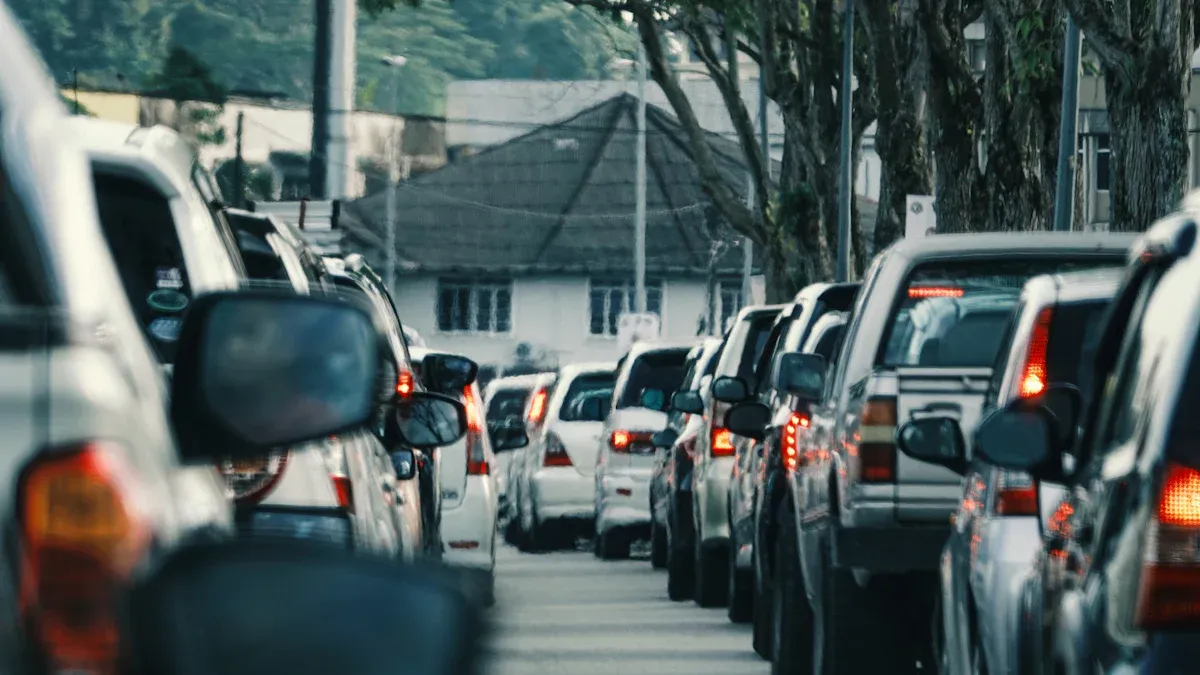
Every state requires working brake lights on your vehicle. A dead bulb can cost you a fine. It also strips away your only warning to the driver behind. Check your lamps often.
The brake light on the dashboard guards you in another way. This brake warning light reports trouble inside the braking system. You cannot ignore it. A brake system problem grows worse with every mile. Treat every warning as a call to act.
A brake warning light has come on. What does it mean when your brake light comes on? The answer depends on the cause. The main brake warning light often points to low brake fluid. Check the brake fluid level first. Low brake fluid usually means a leak or worn seals. Both need a shop.
Other triggers exist. Worn pads trip a sensor. A bad sensor sends a false warning. A burned-out brake light can also set the dashboard brake warning light.
The brake system warning light flags a brake system problem you cannot see. Common causes:
Low brake fluid
Worn pads
Sensor faults
A dead bulb
Never drive with the brake warning lights on. Those brake warning lights exist for a reason. A parking brake left engaged also lights the brake warning light. Release the parking brake and retest. If the warning light stays lit, get help. A brake warning light that stays on points to a real fault. A second brake system warning light may appear on some cars. Watch for any warning and act fast.
Keep brake fluid at the right brake fluid level. Old brake fluid absorbs water. Dirty brake fluid harms the brake system. Fresh brake fluid protects it. A brake warning light deserves a fast response. Ignore one warning light and a small brake system problem becomes a large repair bill. A steady warning light means stop and check. A parking brake you forgot to release is the easiest fix. Check that first. Then check brake fluid.
How a Brake Light WorksThe system behind your brake light is simple. A small switch sits near the top of the lever arm. The switch connects to the battery and to the brake light bulb at the rear. Press the pedal. The arm moves away from the switch. The switch closes. It sends power back to the bulb. The bulb glows bright red. Release the pedal. The switch opens again. Power stops. The light goes dark. That on-off action happens every time you slow down. The whole chain takes a fraction of a second.
Think of it like a hallway lamp with a door switch. The door opens. The lamp comes on. The door closes. The lamp goes off. Your brake pedal works the same way. It acts as the trigger for the whole system. Nothing glows until you press it. The battery supplies the power. The wiring carries it. The switch decides when it flows. The bulb turns that power into a visible red glow.
Most cars use two separate switches or a dual-contact switch. One contact feeds the brake lights. The other feeds the cruise control or the shift interlock. That design lets one push do several jobs at once. A failed switch can leave your brake lights dark even with good bulbs. Test the switch whenever a lamp stays dark. A quick push tells you plenty.
You can check the basic circuit yourself. Turn the key to the on position without starting the engine. Step on the brake and watch the rear lamps. No glow means a problem somewhere in the chain. Check the fuse first. Then check the bulbs. Then check the switch. Work through the chain in order. You will find the fault fast. A helper at the rear makes the job easier. That person can watch the lamps while you work the brake.
A brake light is the red lamp at the rear of your car that glows when you press the pedal. Its core purpose stays simple: it signals your stop so the driver behind you can react in time. That signal protects you, and the law requires it on every vehicle. Safety and legal compliance point the same way here. A working lamp keeps you crash-free and fine-free. So take a minute this week. Ask a helper to watch the rear while you press the brake. Confirm both lamps glow bright, then check them again before long trips. That small habit pays you back every mile.
FAQCheck them at least once a month. Test them before any long trip too. Ask a helper to watch the rear while you press the pedal. A quick check takes seconds. It catches a dead bulb before it becomes a safety risk.
A burned-out bulb is the usual cause. Check the bulb first. If the bulb looks fine, inspect the socket for corrosion. A bad ground or a loose wire can also cut power to one side. Replace the bulb and retest.
Do not ignore it. A steady warning light points to a real fault in the braking system. Check the brake fluid level first. Low brake fluid often means a leak. If the level looks fine, visit a shop. Drive with care.
Yes. Park near a wall or a glass storefront. Press the pedal and watch the reflection. You should see a bright red glow. No glow means a problem. This trick works well at night. Use it between full helper checks.
No. You lose your only warning to the driver behind you. That raises the risk of a rear-end crash. The law also requires working lights. Replace the bulb right away. A small fix protects you and everyone near you.
Please leave your requirements and contact information, and we will send you the quotation information as soon as possible.