Date: 2026.11.18 Click: 4

Fog lights and flood lights solve different problems. A fog light throws a low, wide beam under bad weather to protect visibility up close. A flood light spreads broad light across nearby ground. The table below shows the split at a glance.
|
Feature |
Fog Light |
Flood Light |
|---|---|---|
|
Beam pattern |
Wide, flat, angled down |
Broad, short-range spread |
|
Best use case |
Fog, rain, snow |
Off-road, work sites, camps |
|
Mounting location |
Low, below the headlights |
Bumper, roof rack, rear |
Verdict: bad-weather commuters lean toward fog lights, and off-roaders and campers lean toward flood lights.
Which one fits your vehicle, climate, and terrain in 2026? A clear decision framework follows.
Key TakeawaysFog lights use a low, wide beam to cut under bad weather and improve close-up visibility.
Flood lights spread broad light around your vehicle for off-road trails, work sites, and campsites.
Mount fog lights low below the headlights; mount flood lights higher on a bumper or roof rack.
Choose fog lights for commuting in fog, rain, or snow; choose flood lights for off-road adventures and camping.
Many drivers use both types together to handle different driving conditions.
You can settle most of this decision with three facts about each light: how it shapes its beam, where it works best, and where it mounts on your vehicle. The table below puts those facts side by side.
|
Feature |
Fog Light |
Flood Light |
|---|---|---|
|
Beam pattern |
Wide and flat, angled downward |
Broad spread, short forward reach |
|
Best use case |
Fog, heavy rain, snow |
Off-road trails, work sites, campsites |
|
Mounting location |
Low, below the headlights |
Bumper, roof rack, or rear of the vehicle |
Read the table as a map, not a scorecard. Each row describes a design choice that suits a specific job. A fog light aims its output at the road surface a short distance ahead. A flood light throws light across a wide area around the vehicle. Neither design is better in general. Each one wins in its own setting.
The mounting row deserves extra attention. Height changes how any auxiliary light performs. A low mount keeps the beam close to the ground. A high mount lifts the beam over obstacles and spreads it farther out. You will see this principle again in the mounting sections below.
If you commute through bad weather, lean toward fog lights; if you drive off-road or camp, lean toward flood lights.
That single sentence captures the core of the differences between these two light types. Your climate and your terrain decide the rest. A driver who faces dense morning fog on a highway has one set of needs. A driver who lights a campsite after dark has another. The sections that follow break down each beam pattern, mounting rule, and use case in detail. They also cover the 2026 LED options that make either choice more efficient than ever.
One more point before you move on. Many drivers do not treat this as an either-or choice. They run a fog light for weather and a set of flood lights for the trail or the campsite. Keep that option in mind as you read. The right answer for your vehicle may include both.
Beam Pattern: The Core Difference
A fog light shapes its output into a wide-horizontal, narrow-vertical beam. The lamp angles this beam downward toward the road. The light passes beneath the fog layer instead of bouncing off it. You get short-range illumination without glare back into your eyes.
This low and wide shape explains why a fog light works in weather that defeats other lamps. The beam stays close to the ground, where the air is often clearest. It spreads across your lane and the edges of the road. You see the surface ahead, not a wall of white reflection. Among the common light beam patterns, this one trades distance for control.
A flood light scatters a broad and expansive pattern of light across the ground around your vehicle. It prioritizes nearby coverage over forward reach. The beam is intense up close and fades quickly with distance. In the family of beam pattern choices, a flood sits between a fog light and a spot light in spread.
Place flood lights correctly by comparing them with their cousins. A spot light throws a tightly focused circular beam far down the trail. Driving lights project a long beam for dark roads at speed. Both reach farther than a flood. Neither covers the ground beside and behind your rig the way a flood does. That is the flood's job, and it does that job well.
Side-by-Side Comparison TableThe table below compares the two lights across six practical columns. Read each row as a description of fit, not a ranking. A fog light and a flood light each answer a different question about beam pattern and visibility.
|
Feature |
Fog Light |
Flood Light |
|---|---|---|
|
Beam width |
Wide and flat across the lane |
Broad spread around the vehicle |
|
Forward reach |
Short, aimed at the road surface |
Short to moderate, fading with distance |
|
Weather performance |
Strong in fog, rain, and snow |
Limited in thick weather; shines in clear air |
|
Typical applications |
Highway commuting in bad weather |
Off-road trails, work sites, campsites |
|
Mounting location |
Low, below the headlights |
Bumper, roof rack, or rear |
|
Cost range |
Modest for a pair of pods |
Varies widely with size and output |
Notice how the weather row separates the two. A fog light protects visibility when moisture fills the air. A flood light performs best under clear skies. The cost row stays qualitative on purpose. Prices shift with brand, housing, and LED output, so compare quotes for your own setup rather than trusting a single figure.
Your daily route decides the application row. A commuter who meets fog on a river bridge needs a low, wide beam. A weekend camper who lights a site after dark needs broad coverage. Forward auxiliary lighting for trail work favors the flood. Weather protection favors the fog light.
Mounting follows the same logic. Fog lights sit low, close to the road, where the beam can slip under the weather. Flood lights mount higher on a bumper or roof rack, and that height spreads the light farther out. Rear mounts light the ground behind your vehicle at a camp or job site. Weigh width + distance for your own terrain before you commit. Many drivers run both patterns, and that pairing covers weather and workspace in one build. Driving lights remain a separate tool for long, dark roads at speed.
Fog Lights: Best Uses and Fog Beam PlacementA fog light earns its place when the air itself turns against you. In dust, fog, rain, and snow, a standard headlight beam reflects off the particles and throws glare back at your windshield. The fog beam works differently. It stays low and wide, so the light slips under the thickest part of the weather. You see the road surface ahead instead of a bright wall of white.
This design pays off in real driving. Picture a river bridge on a cold morning, or a mountain pass where clouds settle on the pavement. Your fog lights spread low, wide illumination across your lane and the shoulder. That coverage protects visibility at the exact moment it matters most. The same logic holds in heavy rain and falling snow. Each of these adverse weather conditions rewards a beam that hugs the ground.
Height decides whether a fog light helps or hurts. The fog beam must sit mounted below the headlights, close to the road. From that position, the light passes beneath the fog layer and lights the pavement a short distance ahead. Raise the lamp, and the beam climbs into the weather. Glare returns, and the advantage disappears.
This rule shapes both performance and legality. A low and wide pattern only works from a low position, so placement is part of the design, not an afterthought. Many states also restrict auxiliary lights in traffic, and rules vary by state. Check your local regulations before you mount anything. Proper placement protects your safety and keeps your setup street-legal. Treat height as a hard requirement, not a preference.
Flood Lights: Best Uses and Placement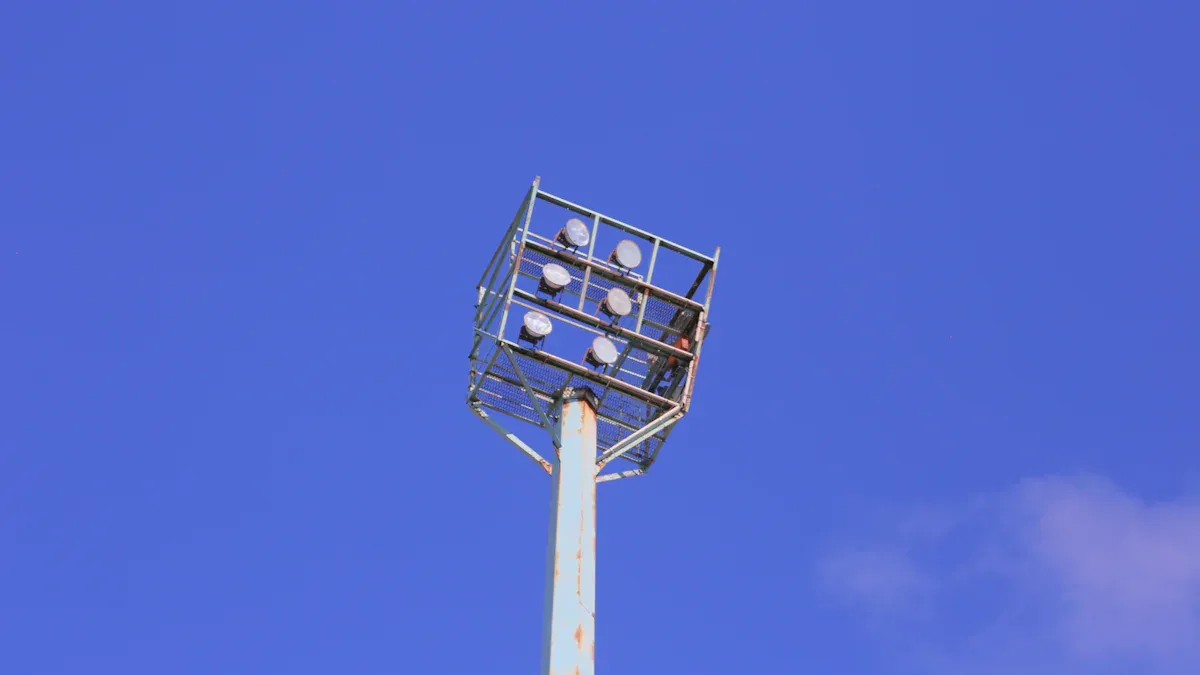
A flood light shines when you need to see everything around you, not just the trail ahead. On a rocky off-road route, flood beams light the ground beside your tires and the edges of the track. You spot ruts, roots, and drop-offs before they surprise you. That wide nearby coverage matters more than long reach at low trail speeds.
Work sites reward the same pattern. A flood light turns the area around your truck into a usable workspace after dark. You can see tools, cables, and footing without aiming a narrow spot at each one. Campers get the same benefit. A flood light spreads soft light across the site, so you can cook, set up a tent, and move around safely. In each case, visibility close to the vehicle beats distance down the road.
Where you mount a flood light changes how far its light travels. A bumper mount sits low and throws light forward across the ground ahead. A roof rack mount lifts the lamp higher, and that height pushes the pattern farther out for wider coverage around the rig. A rear mount lights the ground behind you at a camp or job site.
Each position suits a different job, so match the mount to your routine. Forward auxiliary lighting on the bumper covers the trail. Roof mounts serve campers who want light in every direction. Rear floods help with backing up and gear handling. Keep in mind that driving lights and flood lights play different roles. Driving lights reach far down a dark road, and floods blanket the space around you. Check local rules before you add any auxiliary lamp to a street-driven vehicle.
Mounting: Fog Light Pods and BeyondFog light pods give you a simple path to a proper low mount. These compact housings bolt to a bumper, a lower grille, or a dedicated bracket near the road surface. That position lets the fog beam slip under weather instead of bouncing off it. Choose a pod size and lens that match your bumper space, then aim the lamp slightly downward.
Pod placement decides how well the pattern works. Mount fog light pods too high, and the light climbs into the fog and throws glare back at you. Keep fog light pods below the headlights, and the low, wide spread stays useful. Many drivers treat fog light pods as the first step into low-mounted auxiliary lighting. A clean bracket and a careful aim matter more than raw output here.
Road rules for auxiliary lamps change from state to state. Some states limit how many forward auxiliary lighting lamps you can run in traffic. Others restrict color, height, or use on public roads. Check your local regulations before you drill a single hole. Look for sae or ece safety standards on the product label, too. A marked lamp tells you the maker tested it to a recognized benchmark.
Practical checks protect your safety and your wiring. Confirm the mount holds firm at highway speed, and route cables away from heat and moving parts. Verify that your switch lets you kill the lamps instantly. Test the aim on a flat surface after installation. A few minutes of checking now saves you a roadside fix later.
Decision Framework: Which Light Fits You?Start with the conditions you actually drive in, not the ones you imagine. Ask yourself a few plain questions. How often does fog, heavy rain, or snow cut your visibility? Do you spend most weekends on gravel and rock, or on pavement? What speeds do you travel on dark roads? Each answer points toward one light or the other.
Weather comes first. A driver who meets fog on a morning commute needs a low, wide beam that slips under the moisture. A flood light scatters into that same fog and throws glare back at you. Clear-sky drivers face the opposite situation. Their flood lights spread useful light across a trail or a campsite without any weather penalty.
Terrain comes next. Tight trails, rocky ground, and campsites reward nearby coverage. A flood light blankets that space. Long highway stretches at night call for reach, and that job belongs to driving lights or spot lights rather than either lamp here. Match the beam pattern to the ground under your tires.
Speed closes the loop. Low-speed work favors a wide spread. Higher speeds demand more forward reach, and that pushes you toward a different lamp class. Weigh width + distance for your own routine before you buy.
Look at your vehicle before you look at a catalog. Does your bumper have room for a low-mounted pod? Does a roof rack already carry accessories? A truck with a steel bumper and a rack can host both light types with little trouble. A compact car may only fit a small pair of fog light pods near the grille. Your mounting options shape the choice as much as your climate does.
Budget deserves an honest look. One versatile light costs less up front than two purpose-built sets. That single lamp will compromise somewhere, though. It cannot deliver a true fog beam and a true flood spread at once. Two purpose-built lights cost more, yet each one does its job without compromise. Frame the money question as a trade-off, not a bargain hunt. A driver who faces fog every week and camps twice a year may still want both, because each light earns its keep in its own season.
Write down your answers to the weather, terrain, speed, and setup questions. The pattern in those answers usually settles the decision before you compare a single product spec.
2026 Trends: LED Efficiency and Smart FeaturesLED technology is now the starting point for auxiliary lamps. Today's LEDs turn more of their power into light, so a smaller lamp can still give strong output. This also means less power draw. Your alternator and battery feel less strain, and you can add more lamps without a big electrical upgrade. LED lifespan has grown too. A good lamp now lasts for years of normal use, which changes the cost picture for any setup.
Smart features have gone from new and unusual to common. App control lets you change brightness and turn lamps on and off from your phone. Selectable beam modes let one lamp do several jobs, so a single lamp can switch between a wide spread and a tighter pattern. Built-in switching makes wiring simpler, and some systems connect the lamps to your vehicle's existing controls. These features differ by brand, so read the spec sheet instead of assuming a lamp has them.
Begin with the beam pattern you really need. A wide, flat pattern works well in weather, and a broad spread works well for trail work. Check the rated output and the power draw together, because a bright lamp that strains your electrical system creates new problems. Look for a housing that keeps out water and dust, and make sure the mount fits your bumper or rack.
Pay attention to how the lamp handles heat. Efficient LEDs run cooler, but the driver electronics still need good cooling to last. Ask about the warranty and the rated lifespan before you buy. If you plan to add forward auxiliary lighting, compare how each option works with your existing driving lights. A matched set keeps your switching simple and your beam coverage easy to predict. Last, make sure any smart feature works with your phone and your vehicle, and check local rules before you mount a lamp for road use.
Your choice comes down to two simple conditions:
Choose fog lights if fog, rain, or snow regularly cuts your view on the road.
Choose flood lights if you need broad light around your rig on trails, work sites, or campsites.
Many drivers run both, and each lamp handles its own situation.
Fog lights cut under bad weather with a low and wide beam. Flood lights blanket nearby terrain with broad coverage. Your climate, terrain, and vehicle setup decide the right pick, and running both is a common, practical solution. Assess your driving conditions, check local rules, and choose the light that matches how you actually drive in 2026.
FAQYes. Many drivers mount both. Fog lights sit low for weather, and flood lights mount higher for trails and camps. Use separate switches, so you control each beam on its own. Check local rules for auxiliary lamp limits before you wire them.
Poorly. A flood light scatters a broad beam into the moisture, and that light reflects back at you as glare. A fog light aims low and wide instead, so it slips under the weather. Save the flood lights for clear air and dark trails.
Sometimes. Their wide, flat beam pattern lights the ground close to your tires, which helps at low speed on tight tracks. They reach only a short distance, though. For rocky ground and campsites, a flood light covers more area around the vehicle.
Often not. Modern LEDs draw less power than older lamp types, so many setups work with the stock electrical system. Check the rated draw of your chosen lamps against your vehicle's capacity. Add a relay and proper fuse for safety.
Please leave your requirements and contact information, and we will send you the quotation information as soon as possible.