Date: 2026.11.19 Click: 2
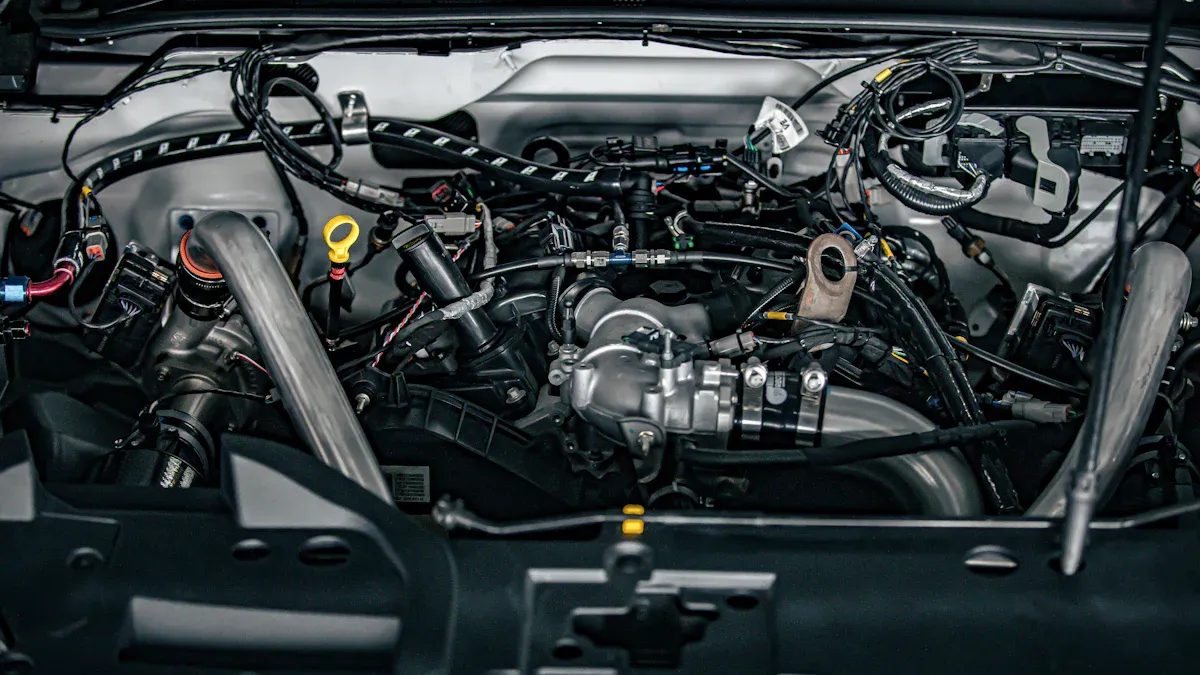
Picking the right aftermarket wiring harness comes down to three steps. First, match your vehicle's specs. Second, figure out your electrical needs. Third, check quality and safety. A good automotive wiring harness pays off with reliable performance. A poor choice causes electrical problems and wasted money. That applies to a daily driver, a classic car or truck build, or a stereo wiring harness upgrade.
Match your vehicle's specs (VIN, connectors, pinouts).
Figure out your electrical needs (purpose, amperage load).
Check quality and safety (wire gauge, standards, fusing).
This post walks through each step in order. You will learn to compare aftermarket options, check a wiring harness for quality, and find the best wiring harness.
Key TakeawaysCheck your vehicle's VIN and take a photo of each connector to make sure the harness fits.
Add up the total amps your load needs, then choose a harness that can handle that amount.
Check the wire gauge, safety standards, and fusing to make sure the harness is good and safe.
Pick a direct-fit or custom harness based on your build and budget.
Think about your install and check on warranty coverage before you buy.

Vehicle compatibility starts with a simple rule. The right automotive wiring harness must match your car's make, model, and year first. Start with the broad details. Make, model, year, trim level, and engine size narrow the harness family to a few choices. The VIN then confirms the exact build. This step matters more than the model year alone. Manufacturers often change connectors partway through a production run. Two vehicles with the same model year can have different plugs. Check the VIN against the seller's fitment lookup to avoid a costly mismatch.
The VIN is your best tool for vehicle compatibility. Every position in the code carries build information, like the plant and the production sequence. A seller with a proper lookup tool can decode it and confirm the exact harness family. Use that tool before you order. A model-specific automotive wiring harnesses listing that ignores the VIN leaves room for error. Treat the VIN as the final check, not the model year.
Connector type describes the plug's physical shape. Pinout describes which wire connects to which pin. Both must match your vehicle exactly. Inspect the existing connectors before you shop. Look at the plug shape, the keying tabs that stop wrong connections, and the pin count. Photograph each connector with your phone. Send those photos to the seller when you ask about an adapter harness. A clear photo prevents most ordering mistakes.
Modern vehicles raise the stakes. Many 2026-era models use sealed, compact connectors and data-bus wiring. Power and signal paths share the same harness in these builds. A harness that matches only the power wires will fail on the signal side. Confirm that the aftermarket wiring harness supports both paths. This point matters for any stereo wiring harness project, where a vehicle-specific adapter harness must carry audio signals and keep features like steering-wheel controls working. The same logic applies to a car stereo wiring harness upgrade. Match the factory radio connector precisely, and verify that the vehicle-specific adapter keeps every function you want to keep.
A quick inspection routine helps. Follow these steps before you buy:
Record the VIN and confirm it with the seller's lookup.
Photograph every connector, including the keying and pin count.
Compare the photos against the product listing.
Ask the seller to confirm the pinout in writing.
This routine takes minutes. It protects you from the most common fitment errors. A harness that fits the plug but misses a pin will cause faults you cannot trace later. Do the check now, and the installation will go smoothly.
Wiring Harness Selection: Load and PurposeWiring harness selection starts with one question. What should the harness do? Your answer separates a replacement from an upgrade and sets the load the harness must carry.
A replacement harness restores original function. It matches the factory layout and brings back the circuits your vehicle had when it left the line. An upgrade harness adds circuits for accessories like lights, audio, or towing. Both serve real needs, and neither is better in every case.
An aftermarket harness can also improve routing. It may remove unnecessary wiring, save space, and cut weight. That matters on a classic car or truck build where every inch of room counts. A stereo wiring harness upgrade follows the same logic. The right adapter harness keeps factory features while adding the connections your new radio needs.
A circuit is one complete path that carries current to a device and back. Amperage is the amount of current flowing through that path. Every device on your harness draws amps, and the total decides the wire size you need.
Follow a simple method to size the load:
List every device the harness will power.
Find each device's draw in amps or watts. Check the label or the spec sheet.
Convert watts to amps with this relation: amps = watts ÷ volts.
Add a safety margin so the harness never runs at its limit.
Suppose a light bar draws 60 watts on a 12-volt system. Divide 60 by 12, and you get 5 amps. Add a margin, and you need a circuit rated above 5 amps. Repeat this for every device, then add the results.
Now match the total load to the harness's rated capacity. A harness rated below your total will overheat and fail. Use a relay for high-draw accessories. A relay lets a small switch control a large current, and it keeps the heavy load off your dash wiring.
This step protects your investment. A harness sized for the real load performs reliably for years. The best wiring harness for your build is the one rated for what you actually plan to run. Compare aftermarket harnesses on rated capacity, not just price. A replacement, upgrade, or custom harness all follow the same sizing rule. Check the numbers before you buy, and the right automotive wiring harness will serve your vehicle well.
Compare Wiring Harness Types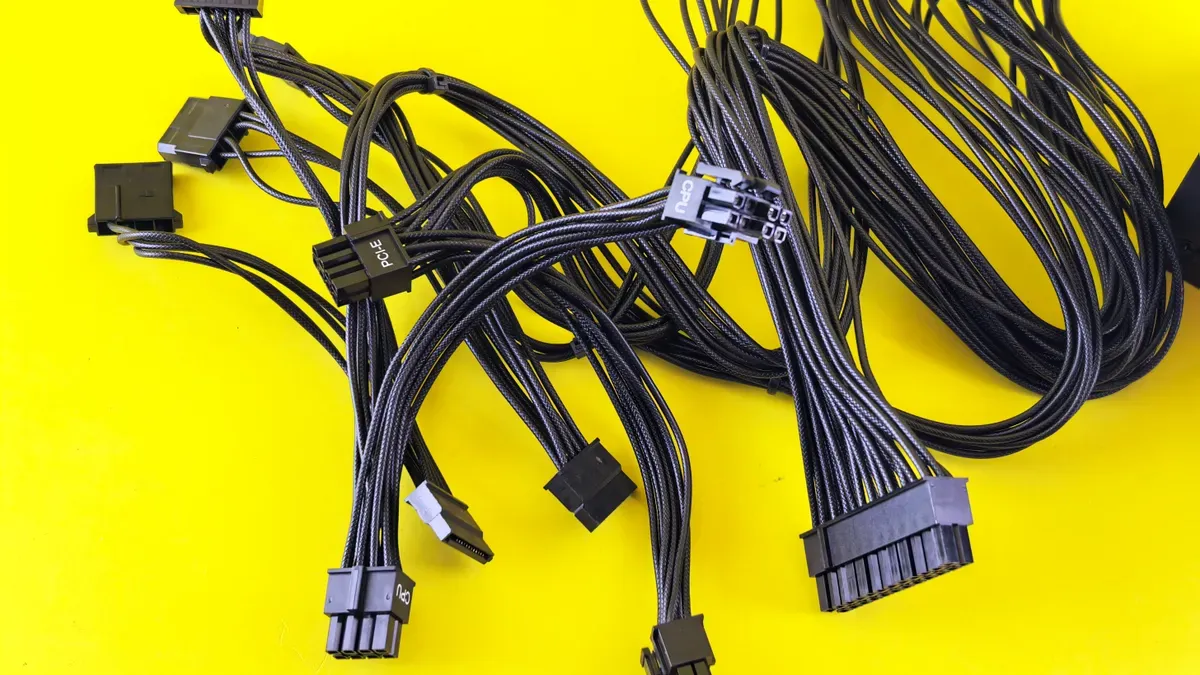
You now know your vehicle's specs and your electrical load. The next step is choosing among the main harness types. Each type fits a different job.
A direct-fit harness is plug-and-play for a specific vehicle. It matches the factory connectors and installs with basic tools. A custom aftermarket wiring harness is built to order for unique layouts, such as a modified dash or a relocated battery.
|
Factor |
Direct-Fit |
Custom |
|---|---|---|
|
Fit |
Matches one vehicle |
Built to your layout |
|
Installation time |
Short |
Longer |
|
Cost |
Lower upfront |
Higher upfront |
|
Flexibility |
Limited |
High |
|
Best use case |
Stock replacements, common upgrades |
Modified or specialty builds |
OEM parts come from the original manufacturer. Aftermarket harnesses come from third-party producers. Both can serve you well, and the right pick depends on your goal.
|
Factor |
OEM |
Aftermarket |
|---|---|---|
|
Availability |
Limited for older vehicles |
Broad |
|
Price |
Often higher |
Often lower |
|
Warranty |
Manufacturer terms |
Varies by seller |
|
Material specs |
Original design |
Varies by brand |
|
Lead time |
Can be long |
Usually faster |
Check compatibility before you order either type. Confirm the year, make and model against the seller's lookup, and compare the factory harness pinout to the new part.
Where each fits best: choose direct-fit for stock replacements and common upgrades, and custom for modified or specialty builds. Pick OEM for originality-focused repairs. Choose aftermarket for broader options and faster availability. A stereo wiring harness follows the same rule. Match the car stereo wiring harness to your car's make, model, and year, and confirm it keeps the features you want. No single type wins everywhere. The best wiring harness is the one that matches your build, your budget, and your timeline. Compare aftermarket wiring harnesses on fitment data and material specs, and ask each seller for the adapter harness details in writing.
Quality, Safety, and ComplianceWire gauge measures how thick the conductor is. Lower gauge numbers mean thicker wire. A thick wire carries more current with less heat. Match the gauge to the amperage you figured out earlier. A conductor that is too small heats up under load and can melt its insulation. Check the gauge printed on the wire or listed in the product specs. A quality automotive wiring harness states its gauge clearly for every circuit.
Insulation and conductor material matter just as much. Cross-linked polyethylene insulation resists heat well, so it works for engine-bay runs. Standard PVC insulation costs less and works fine inside the cabin. Compare copper and copper-clad aluminum conductors. Copper conducts better and handles vibration well. Copper-clad aluminum weighs less and costs less. Pick the material that fits your environment and budget.
Connectors need a secure hold. Manufacturers join wire to connector in different ways, and the method affects durability. Look for crimped terminals with strain relief. Ask for abrasion-resistant loom to protect runs near sharp edges. Sealed connectors are a must for engine-bay use, where moisture and road spray attack exposed pins. A higher quality aftermarket wiring harness shows these details in its photos and spec sheet.
Two benchmarks help you judge wire performance. ISO 6722 covers wire performance for road vehicles. SAE J1128 covers low-tension primary wire. Ask sellers for test data or certification documents that reference these standards. A seller who supplies documentation shows confidence in the product. Compare aftermarket wiring harnesses on this point before you buy.
Fusing is not optional. Every circuit needs protection rated for its wire and load.
A fuse or circuit breaker limits damage when a fault occurs. Size the protection below the wire's rated capacity, so the fuse blows before the wire overheats. Check that the harness includes a fuse block or clearly marks where protection belongs. This step protects your vehicle and your investment. The best wiring harness for your build pairs correct gauge with proper fusing. Whether you install a stereo wiring harness or a full adapter harness, confirm the protection plan before installation. A reputable aftermarket seller will answer these questions, and that support helps you choose with confidence.
Installation and Buying SupportYou can often install an automotive wiring harness yourself. Direct-fit harnesses, basic tools, and clear instructions make a DIY job realistic. Hire a professional for custom builds, data-bus integration, or warranty-sensitive vehicles. Those jobs reward experience. Gather these core tools before you start:
Crimpers
Multimeter
Wire strippers
Heat-shrink tubing
A wiring diagram
A stereo wiring harness must match your vehicle's year, make and model. It must also match the features you want to keep, such as steering-wheel controls or a factory amplifier. Confirm compatibility before you order. The seller's lookup tool should confirm the fit. Understanding car stereo wire colors is important during installation. Wire colors vary between brands, so never trust color alone. Verify each wire against the diagram.
Buy from reputable sellers. Look for a vehicle-specific adapter harness lookup and a clear return policy. Read the warranty before checkout. Check the coverage length, the exclusions, and the support channels. A good stereo wiring harness guide also tells you to bench-test the part first. Check continuity and pinout on the bench before you touch the dash.
A vehicle-specific adapter saves time on most installs. This adapter harness plugs into the factory radio connector and gives you a clean starting point. Match the compatible adapter to your aftermarket head unit. A radio wiring harness that fits both ends makes the job simple. The best wiring harness for your project carries the right signals and keeps the features you paid for. Compare aftermarket options on fitment data, then buy with confidence.
Match your vehicle's specs first: confirm the VIN and photograph every connector. Define your needs next: choose replacement or upgrade, then total the amperage. Verify quality and safety last: check wire gauge, standards, and fusing. This three-step process points you to the best wiring harness for your build. A stereo wiring harness follows the same rules, and so does any automotive wiring harness you compare. Take your time with each aftermarket option, and the right choice will reward you with reliable service.
Confirm the VIN and connector photos against the seller's lookup.
Match the harness rating to your total load.
Check gauge, standards documentation, and fusing.
Plan installation and confirm warranty support.
Use the VIN, not just the model year. Decode it with the seller's fitment lookup. Then take photos of every connector, including the keying tabs and pin count. Compare those photos to the product listing. This routine catches mid-year production changes that a model year check would miss.
List every device the harness will power. Find each draw in amps or watts. Convert watts to amps by dividing by volts. Add a safety margin. Match the total to the harness's rated capacity. Use a relay for high-draw accessories.
Choose direct-fit for stock replacements and common upgrades. It installs quickly with basic tools. Choose custom for modified or specialty builds with unique layouts. Custom costs more upfront and takes longer to install. Match the type to your build, budget, and timeline.
Confirm the harness matches your car's make, model, and year. Verify it keeps the features you want, such as steering-wheel controls or a factory amplifier. Check that it plugs into the factory radio connector and your aftermarket head unit. Read the return policy and warranty terms before checkout.
Yes, for direct-fit jobs with basic tools and clear instructions. Gather crimpers, a multimeter, wire strippers, heat-shrink tubing, and a wiring diagram. Hire a professional for custom builds, data-bus integration, or warranty-sensitive vehicles. Bench-test continuity and pinout first.
A good stereo wiring harness guide also reminds you to check wire colors against the diagram, never by color alone. Compare aftermarket options on fitment data and documentation. That habit points you to the best wiring harness for your project. A radio wiring harness and any other adapter harness follow the same rules.
Please leave your requirements and contact information, and we will send you the quotation information as soon as possible.